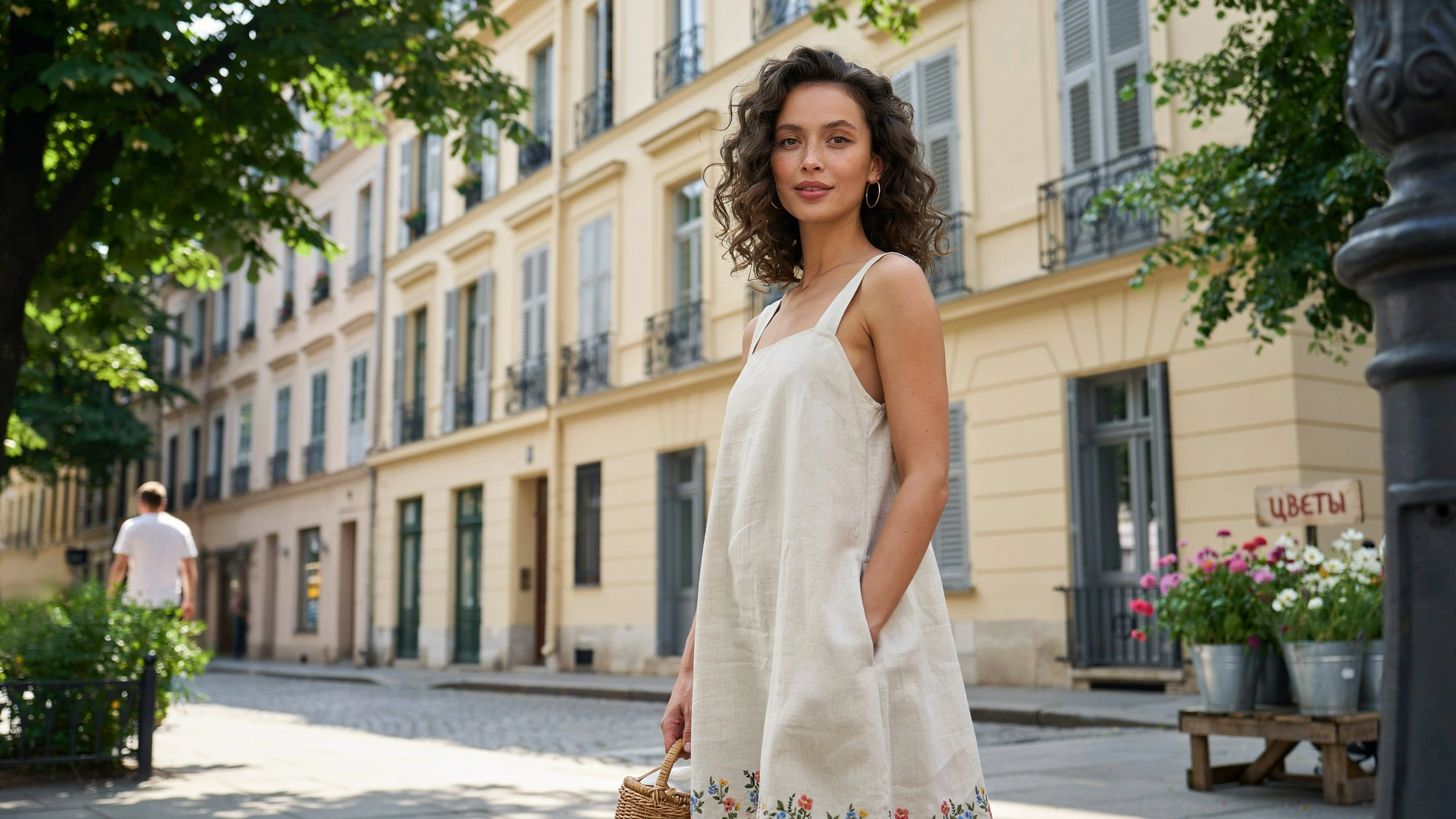
Curly Hairstyles That Actually Work With Your Curl Pattern
There is a specific kind of frustration that comes from Curly hairstyles after spending forty minutes on your hair, following every step you saw on a tutorial, and ending up with something that looks nothing like the result on screen. The person in the video had curls. You have curls. And yet.
The missing piece is almost always the same: the style was built for a different curl pattern than yours, and no amount of product or technique will bridge that gap. Finding curly hairstyles that match your actual texture can make all the difference.
Understanding Your Curl Pattern Before Anything Else
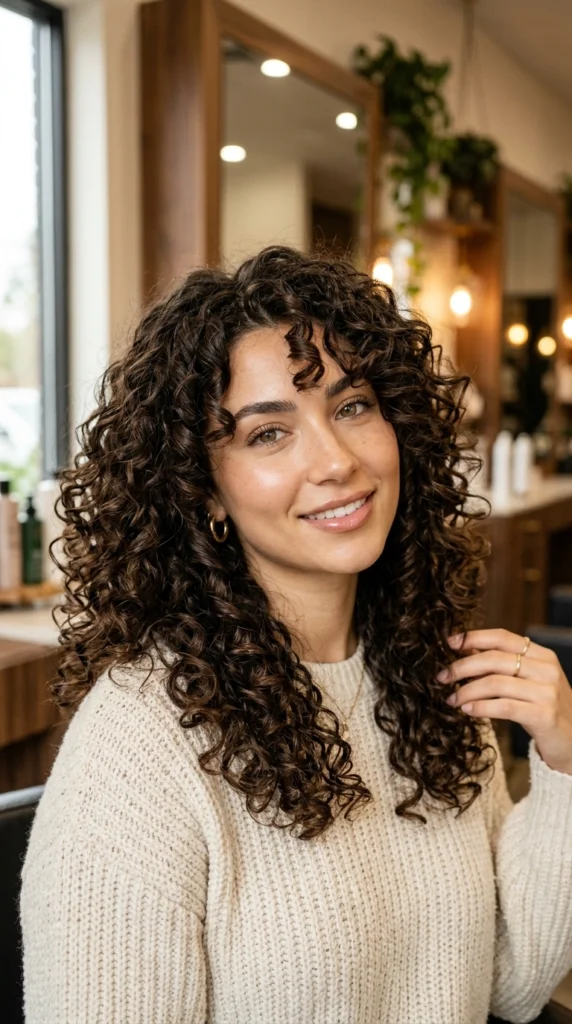
The typing system most curl communities use runs from type 2 through type 4, with letters A through C indicating coil tightness within each category. Type 2 is wavy, type 3 is curly, and type 4 covers coily and kinky textures. Knowing where you fall is the foundation every style decision should rest on.
The system is imperfect, and most people have more than one pattern on their head. The back may be tighter than the crown, and the hairline often behaves completely differently from the lengths. Working with that variation rather than against it is where good curl styling actually begins.
What wavy hair needs that curly hair does not
Type 2 waves are easily weighed down, and the styles that work best for them prioritize volume and separation over definition. Heavy creams and thick gels flatten waves rather than defining them, leaving hair looking stringy rather than structured. Lighter mousses and wave sprays are the tools that let this texture breathe.
Wavy hair also benefits enormously from a diffuser used on low heat, which encourages the wave to form without disturbing it mid-process. Touching it while it dries is the most common mistake, and it is why so many women with type 2 hair end up with frizz rather than waves.
Loose curls and the length question
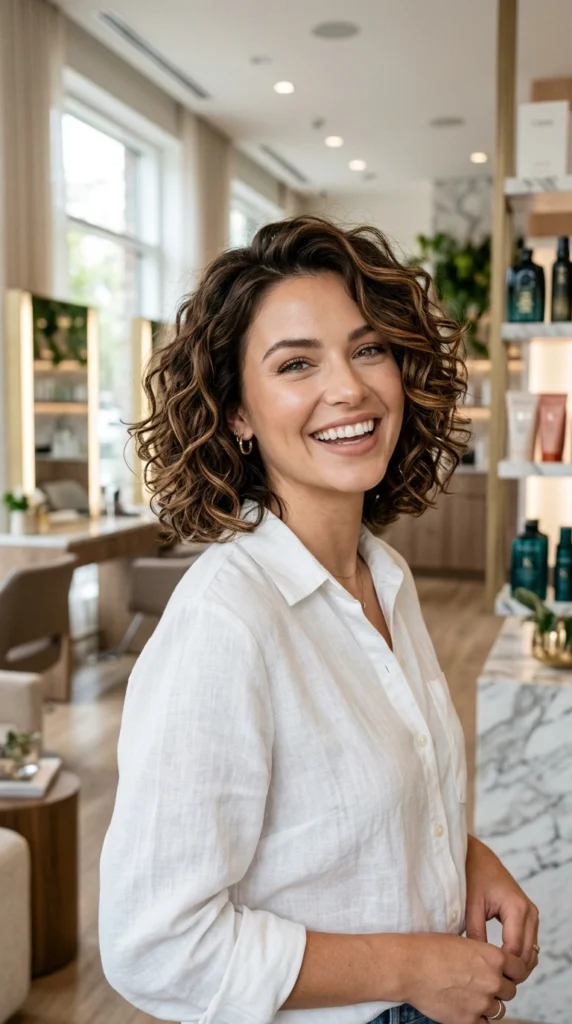
Type 3A curls, the loosest of the curly category, tend to elongate significantly with length and lose their shape under too much weight. A long, one-length cut on this texture often results in the bottom half stretching into a wave while the top stays curly, creating an uneven mix that is genuinely difficult to style. Layers solve this immediately.
The right layered cut for loose curls removes weight strategically without creating too much volume at the top, which can lead to a triangular silhouette. A curl specialist will cut each layer while the hair is dry and curled, so the shape is built around the texture as it actually exists, not as it behaves when wet and stretched.
Spiral curls and why definition matters most
Type 3B and 3C curls have a tighter spiral that is naturally beautiful but also naturally prone to frizz when the curl pattern is disrupted. These textures require styles that encourage each curl to clump together rather than separate, as separation on a tight spiral can read as frizz rather than volume. A raking technique with a curl cream applied to soaking wet hair gives the best clumping result.
Hairstyles that work particularly well for this pattern include wash-and-go styles built with layered products, twist-outs for definition without heat, and high buns that use the curl’s own spring to create shape and volume. The common thread is that all of them work with the curl’s natural inclination rather than redirecting it.
Coily textures and the shrinkage reality
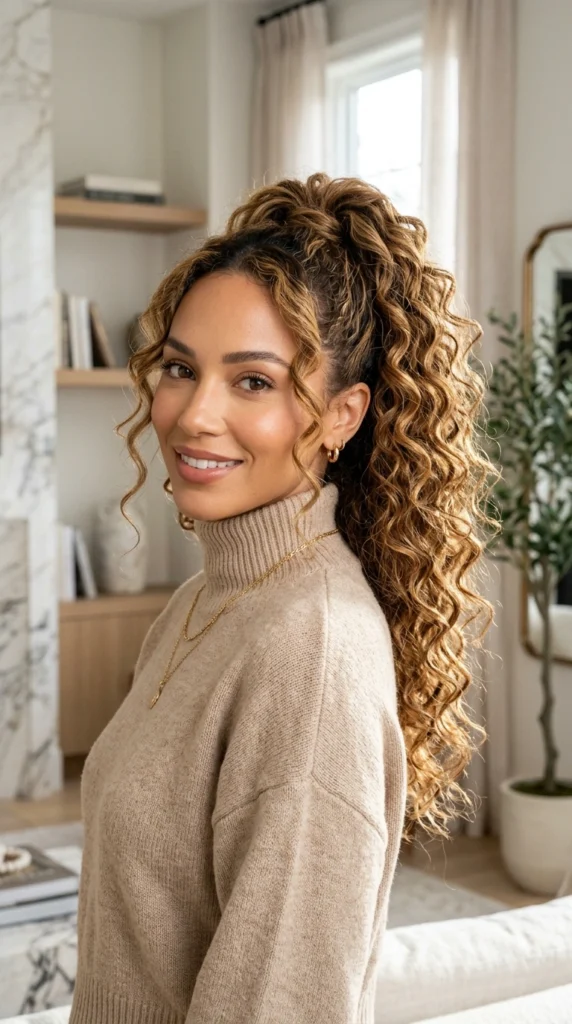
Type 4 hair shrinks dramatically when it dries, sometimes up to seventy percent of its actual length, which means the styling decisions you make must account for that contraction. A style that looks beautiful at shoulder length wet may sit at ear level once fully dry. Building shrinkage into your expectations rather than fighting it makes the whole process less frustrating.
Curly hairstyles for type 4 textures that consistently deliver results include braid-outs for stretched definition, bantu knot-outs for a tighter coil pattern, and protective styles like twists or cornrows that give the hair a rest while keeping it moisturized. These styles work because they are designed around the hair’s natural behavior rather than despite it.
The wash day that sets the whole week up
Regardless of curl pattern, the single most impactful thing you can do for your curly hairstyles is treat wash day as a genuine ritual rather than a rushed step. Cleansing with a sulfate-free shampoo, deep conditioning for at least fifteen minutes, and applying products while the hair is still dripping wet are the three steps that determine how the rest of the week looks.
Skipping the deep conditioning step is the most common reason curly hair looks dull and undefined by day two or three. Moisture is what allows the curl to form and hold its shape, and a well-moisturized curl requires significantly less product and effort to style than a dry one.
Plopping and why it works for most curl types
Plopping is the technique of wrapping freshly washed, product-applied hair in a microfiber towel or cotton T-shirt and leaving it to set for fifteen to thirty minutes before diffusing or air drying. It works by allowing the curls to spring upward and clump together while excess water is absorbed gently. Regular terrycloth towels create friction that disrupts the curl pattern before it has a chance to form.
For type 2 and type 3 textures especially, plopping consistently produces better definition with less frizz than any other drying method. The results are not dramatic the first time, but after a few wash days the curl memory improves noticeably as the pattern is repeatedly encouraged in the right direction.
Half up styles that work on actual curl patterns
The half-up style looks effortless on curly hair when it is done correctly, but pulling the top section up too tightly stretches the curl at the root and creates a disconnected look where the upswept section looks different from the hair left down. A loose gather, held with a scrunchie rather than a tight elastic, preserves the curl shape at the root and keeps everything looking cohesive.
For tighter curl patterns, a half-up pineapple with a few face-framing pieces left loose is one of the most flattering everyday styles available. It lifts volume away from the face without flattening the crown, and it works beautifully on second and third-day hair when the curls have settled into a softer shape.
Protective styles as actual hairstyles, not just maintenance
There is a tendency to think of protective styles as utilitarian rather than beautiful, but that framing sells them completely short. Box braids, twists, and cornrows in their many variations are genuinely striking curly hairstyles that also happen to give your natural texture a rest from daily manipulation and product. The dual function is the point.
Keeping the scalp moisturized and the style from being installed too tightly are the two maintenance factors that determine whether a protective style is actually protecting the hair or causing tension damage at the hairline. A skilled braider will not pull tightly enough to cause discomfort, and if it hurts at any point during installation, that is a sign to say something immediately.
Fringe and curly hair, done the right way
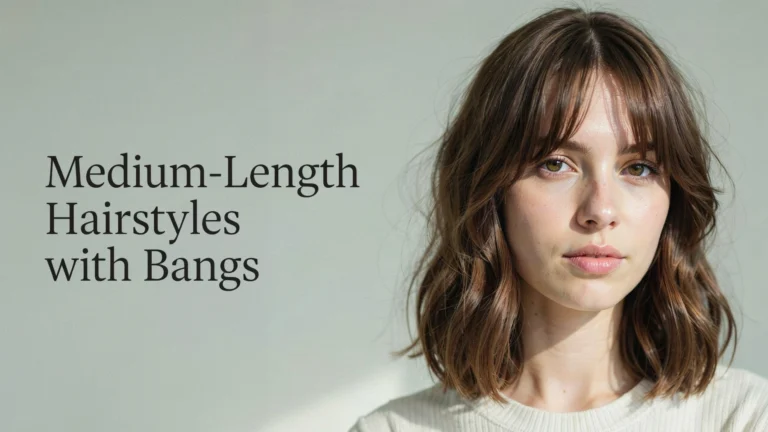
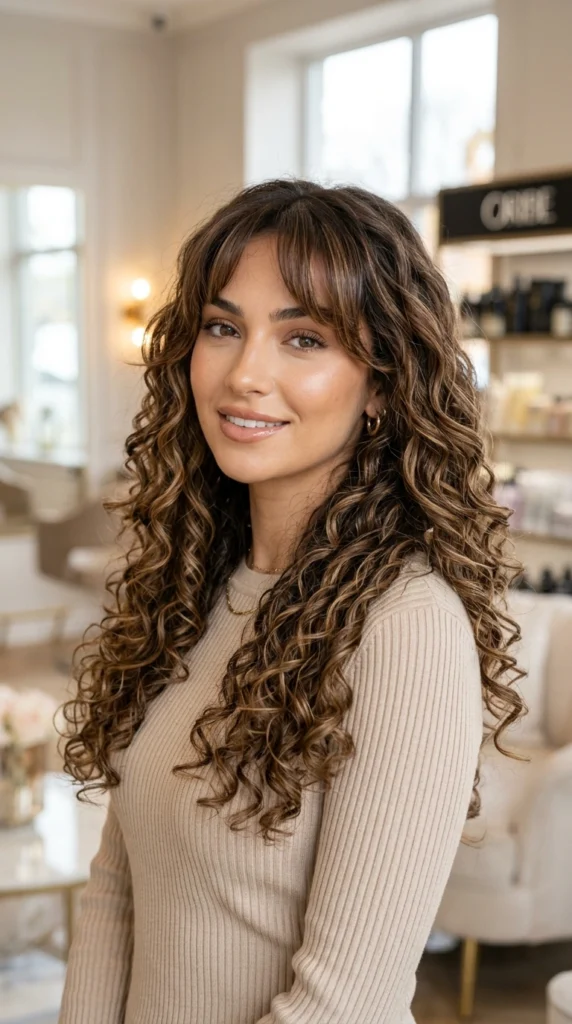
Bangs on curly hair require a completely different approach than bangs on straight hair. Cutting them straight across to a uniform length produces a result that will pop up, curl in unpredictable directions, and require daily heat styling to behave. Curtain bangs cut into the curl pattern while dry, with each piece shaped individually, are a far more wearable option.
The curtain bangs on curly hair, when done by someone who understands the texture, frames the face beautifully and moves with the rest of the curl pattern rather than working against it. It is one of the few fringe styles that actually looks better on day two than day one, as the curl relaxes slightly and settles into a softer frame around the face.
Short curly hairstyles and what they demand
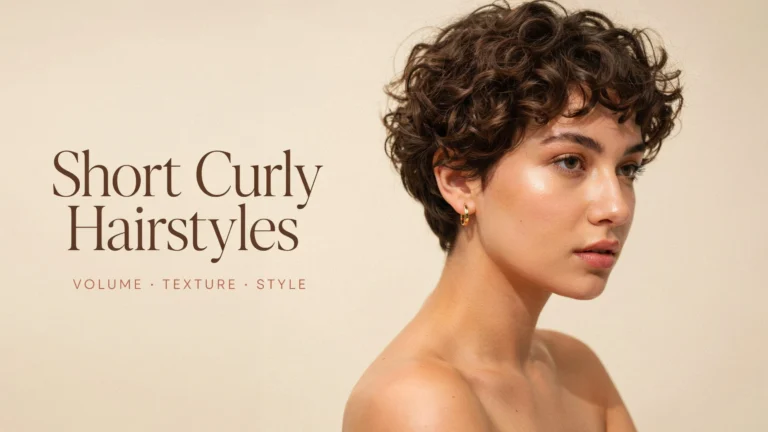
A short curly cut is liberating and slightly unforgiving at the same time. There is nowhere for an uneven curl pattern or a patchy product application to hide when the hair is close to the head, which means technique matters more, not less, as the length decreases. A well-executed TWA or curly pixie on someone who has learned their texture is genuinely one of the most striking looks available.
The stylist’s selection for a short curly cut is critical. You want someone who cuts curly hair dry and shaped, not someone who cuts it wet and straight and hopes for the best. Ask directly before you book whether they have experience cutting your specific curl pattern, and look at their portfolio with that question in mind.
Refreshing curls on non-wash days
Second and third-day curly hairstyles are their own skill set, separate from wash day entirely. The goal is reactivating the curl without re-wetting to the point of needing a full restyle, and the most reliable method is a light mist of water mixed with a small amount of leave-in conditioner applied with a spray bottle. Scrunching from the ends upward encourages the curl to reform without disturbing the root.
Products like Cantu Refresh Curl Revitalizer or SheaMoisture Curl Stretch Pudding, applied sparingly to the areas that have faded most, work well for type 3 and 4 textures on refresh days. The keyword is sparingly, because over-application on second-day hair leads to buildup that makes the next wash day harder.
Sleeping in a way that protects the shape
The pineapple method, gathering all the hair loosely at the very top of the head before sleeping, is the most widely used overnight curl preservation technique for a reason. It keeps the lengths from being crushed under the weight of the body while sleeping, and it maintains the curl’s natural direction. A silk or satin scrunchie prevents the breakage that regular elastic causes at the point of gathering.
Satin-lined bonnets or silk pillowcases serve the same purpose for women who find the pineapple uncomfortable or impractical for their hair length. The goal in both cases is reducing friction and maintaining moisture overnight, because it is the combination of those two factors that determines how much styling work the morning actually requires.
Your curls already know what they want to do. The styles that feel easiest, that hold longest, and look most like you, are the ones that listen to that inclination rather than override it. Once you stop asking your hair to perform a different texture and start building around the one it actually has, the mirror stops being a source of frustration and starts being something considerably more pleasant.