Side Part Hairstyles That Work for Every Age and Face Shape
There is something almost universally flattering about a side part. You probably already know this, even if you have spent the last few years following the middle part trend that Gen Z declared the only acceptable option. Side part hairstyles have been quietly working for women across every age, face shape, and hair texture for decades, and the reason is simple they create asymmetry, and asymmetry is what makes a face look interesting.
If you have ever pulled your hair to one side after a shower, glanced in the mirror, and thought oh, that actually looks good, you have already figured out what stylists have been saying for years.
Why the Side Part Works So Hard for So Many Women
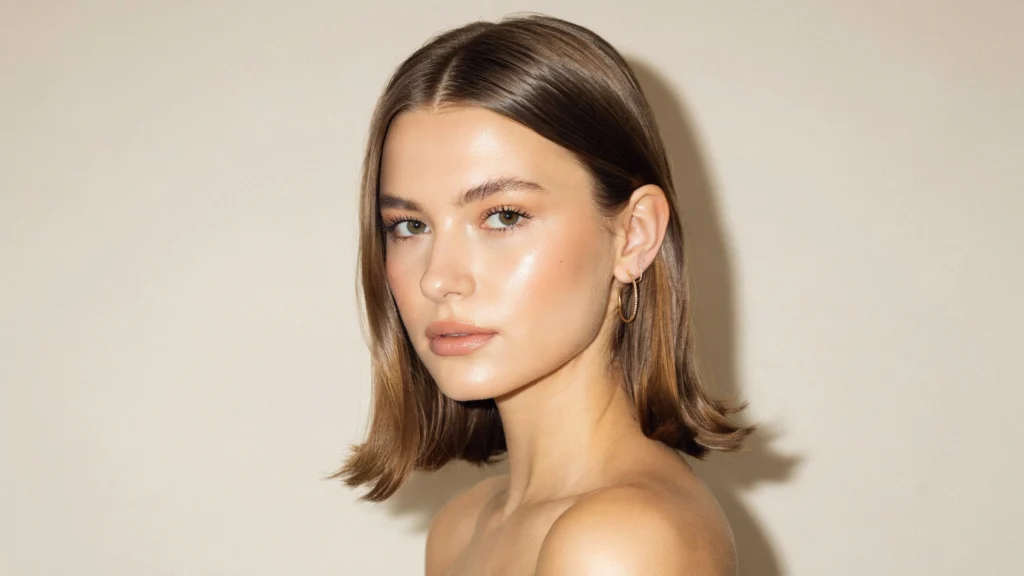
The mechanics of it are pretty straightforward. A side part shifts the visual weight of your hair, which means it draws the eye diagonally rather than straight down. That diagonal line is naturally softening. It breaks up a wider forehead, adds the appearance of cheekbone definition, and gives your face a sense of movement even when your hair is completely still.
For women with round or square face shapes, this matters a lot. A center part can emphasize the width of the face because it creates two perfectly even halves, which mirrors the shape you are already working with. A side part, even a subtle one, changes that geometry entirely. It pulls attention toward one side and creates a longer visual line, which tends to make the face look a little more oval, a little more defined.
Women with heart-shaped faces, where the forehead is wider and the chin is narrower, often find that side part hairstyles add balance without requiring any styling tricks. The swept weight on one side brings the eye downward rather than widening the top third of the face. It is the kind of thing that looks like effort but is actually just placement.
And for women with oval faces, the side part is genuinely a free pass. You can wear it loose, pinned, waved, or straight and it will look intentional every time.
The Deep Side Part vs. the Soft Side Part
These are two very different looks and it is worth knowing which one you are actually going for before you start styling.
A deep side part sits close to the temple, sometimes almost at the outer edge of your eyebrow. It creates a dramatic sweep of hair across the forehead and has a very classic, almost Old Hollywood quality to it. Think 1940s waves, or the kind of blow out that covers one eye slightly and makes everything feel a bit more polished. If you have longer layers or you enjoy styling with a round brush, the deep side part gives you the most to work with.
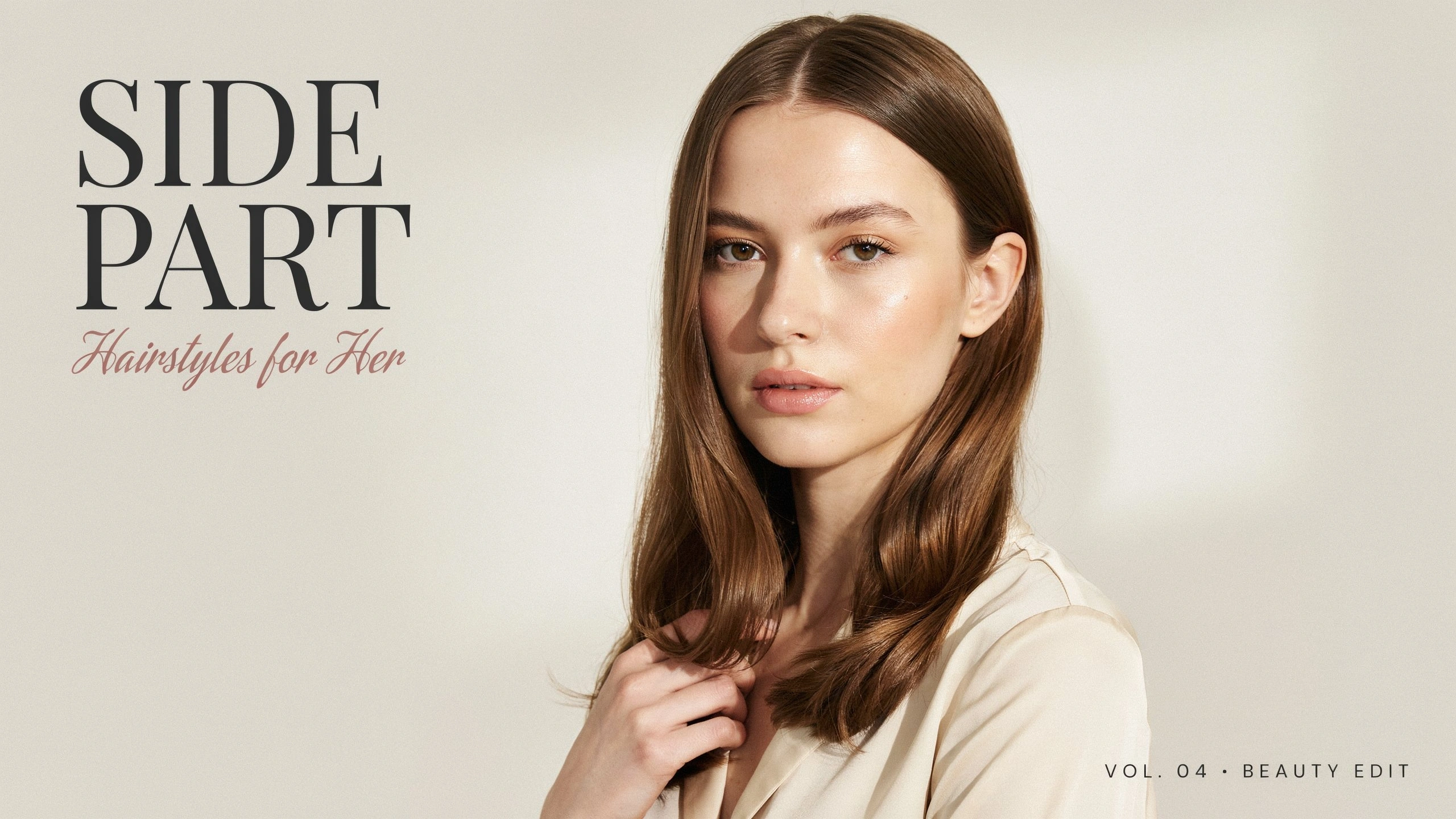
A soft side part, on the other hand, sits maybe an inch or two away from the center. It is subtle enough that someone might not even notice it is there. It just creates a slight lean to your hair that keeps everything from looking flat or overly symmetrical. This is the version that works beautifully with casual, air dried styles. It is the one you fall into without thinking, and it tends to look effortless because it basically is.
Both versions are legitimate. The deep side part requires a little more maintenance and works best when you are doing something intentional with your hair. The soft side part is the everyday option that plays well with almost any texture.
How to Find Your Natural Part Line

Here is something most people skip: your hair actually has a natural growth pattern that will tell you where your part wants to live. To find it, wet your hair and push it straight back off your face. Then let it fall naturally. Where it splits or creates a whorl is usually where your hair most wants to part.
Working with your natural part line instead of against it is one of the more underrated styling decisions you can make. When you fight your growth pattern, especially if you have fine hair or hair that does not hold a style well, you end up spending ten minutes blowing a part in place just to have it revert within an hour. Going with your natural pattern means the style tends to hold longer without product, and the root area looks fuller because the hair is falling the way it actually wants to.
If your natural part is close to center, you can train a deeper side part over time by consistently applying heat and light tension in the new direction. It takes a few weeks but it does work.
Side Part Hairstyles for Different Hair Lengths
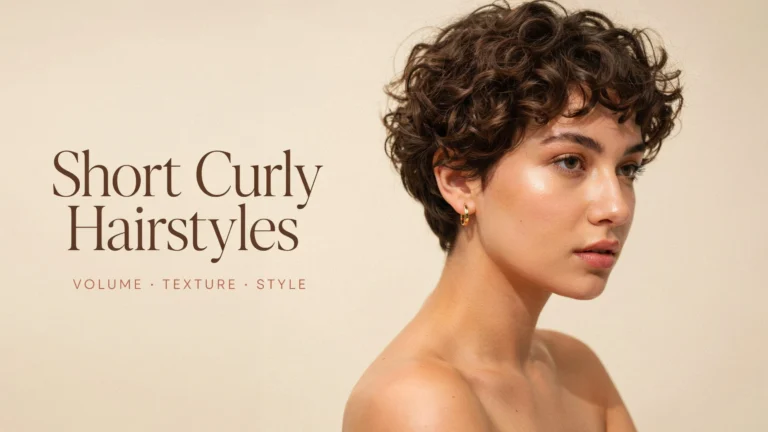
Short hair and side parts are a particularly good combination, and this does not get talked about enough. A pixie cut or a short bob with a defined side part immediately reads as sophisticated rather than simply short. The part creates structure when the length cannot. It also gives a short style a bit of an old-school cool quality, the kind of thing that looks polished without looking like you tried too hard.
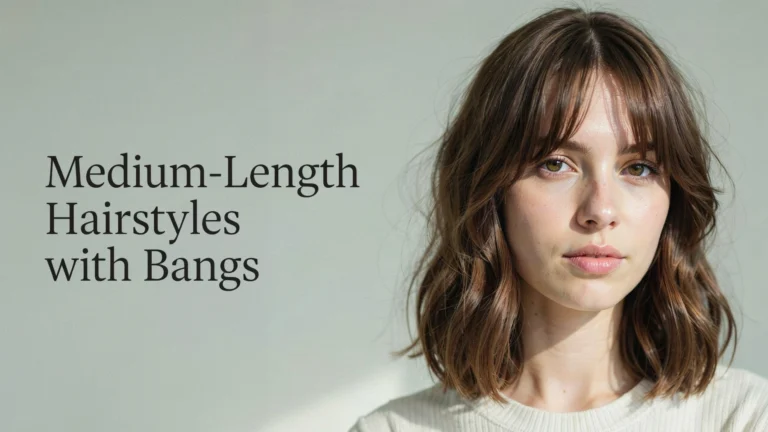
For medium length hair, the side part opens up a lot of options. This is where you can really have fun. Loose waves with a deep side part and the front pieces tucked behind one ear is one of the most low effort high reward combinations in everyday styling. A chin length bob with a soft side part and slightly bent ends looks modern in a way that a blunt center parted bob sometimes does not. The asymmetry keeps things feeling fresh.
Long hair with a side part gives you the most range of any length. Straight and sleek, the side part adds the only visual interest you need. Wavy, it creates that effortless beachy lean that looks good in every season. Pulled into a low ponytail or a twisted updo, a side part at the front keeps the style from looking too severe, softening it around the face where it matters most.
The Relationship Between Side Parts and Face Framing Layers
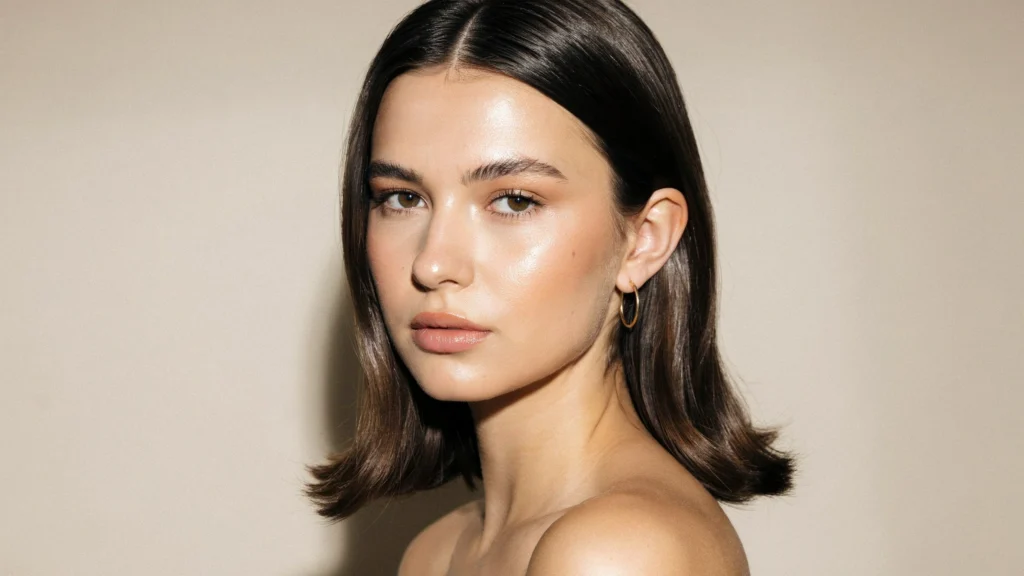
If you have layers cut specifically to frame your face, a side part will make those layers do their best work. The reason is that face framing layers are usually cut to fall diagonally from the part line downward toward the cheekbone or jaw. A side part gives those layers a clear starting point, a place to sweep from, so they actually frame the face rather than just hanging beside it.
If your layers are falling flat or your haircut feels like it is not quite working the way you hoped, sometimes adjusting the part line is the simplest fix before anything else. Changing where your hair separates can completely change how your layers land.
This is also worth keeping in mind if you are planning a new haircut. Telling your stylist which side you prefer to part on, or asking for layers that work specifically with a side part, will get you closer to a result that looks the way you want it to at home, not just in the salon chair.
Seasonal Styling and How Side Parts Play Into It
Side part hairstyles tend to shift a little with the seasons, and it is worth paying attention to that rather than styling your hair the same way year round.
In warmer months, the side part works beautifully with lighter, looser textures. Air dried waves with a soft side part, hair tucked behind one ear, a few face framing pieces left out to move with the humidity. It is the kind of style that accepts a little frizz without fighting it and actually looks better for it.
In cooler weather, the side part earns its keep with sleeker, more deliberate styling. A blowout with a deep side part and smoothed ends looks polished in a way that suits heavier knits and darker palettes. It is also the season where a side part with a little root volume styled deliberately over to one side becomes genuinely chic rather than accidental.
The deeper point here is that the side part is not one fixed thing. It is a variable that you can adjust season to season, or honestly day to day, by just shifting where the part sits and what you do with the hair that follows.
The Maintenance Reality
One of the practical advantages of side part hairstyles is that they are genuinely low maintenance in a way that a lot of trends simply are not. You do not need a specific product, a particular tool, or a certain length to make them work. A comb, a blow dryer if you want more hold, and occasionally a little dry shampoo at the root to keep the part looking fresh between washes.
The one thing that does require attention is the root area near the part line. This is where oil and product buildup tends to show first, and it is also where the hair can start to look flat if you are not giving it a little lift. A volumizing spray applied at the root before blow drying, or a quick pass with a fine-tooth comb after applying dry shampoo, keeps the part looking defined rather than weighed down.
If you color your hair, the side part is also worth thinking about strategically. A deep side part will expose more of your root area, which means gray roots or grown out color will be more visible than with a center part or a looser wave style. A softer side part sits closer to where highlights are typically placed, which can actually make your color look more dimensional without revealing too much of the root.
There is a version of the side part for almost every hair situation you find yourself in, and that kind of quiet versatility is genuinely rare in hairstyling. Most trends come with conditions. This one mostly just asks you to comb your hair slightly to the left or right of center and pay attention to where it falls.