Shag Haircuts
Shag Haircuts: The Ultimate Guide to Shaggy Layers in 2026
Shag haircuts one of the most trending hairstyles and cuts which can be easily done at home within less time for every ge .
Whether you’re chasing that effortless 70s rock-and-roll vibe or a soft, modern shag with curtain bangs, this guide breaks down every variation so you can walk into your next salon appointment with total confidence — and the right reference photo saved to your board.
What Is a Shag Haircut, Exactly?
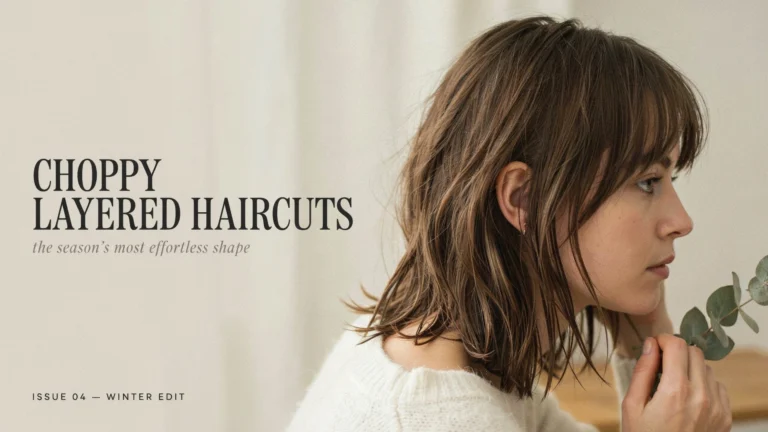
A shag haircut is built on heavy, choppy layers that start short around the crown and get longer as they move down toward the ends. The result is volume up top, movement throughout, and that signature “lived-in” texture that looks great whether you styled it for twenty minutes or rolled out of bed. It’s often credited to New York hairstylist Paul McGregor, who gave the cut to Jane Fonda around 1969 — a moment that helped launch the style’s rise to fame.
Unlike a traditional layered cut where the transitions are smooth and blended, a shag leaves visible separation between the layers on purpose. That’s what gives it the “shaggy” texture instead of a polished, uniform look.
Modern Shag vs. Classic 70s Shag
One of the biggest sources of confusion — and a common Pinterest search — is the difference between the vintage shag and today’s version.
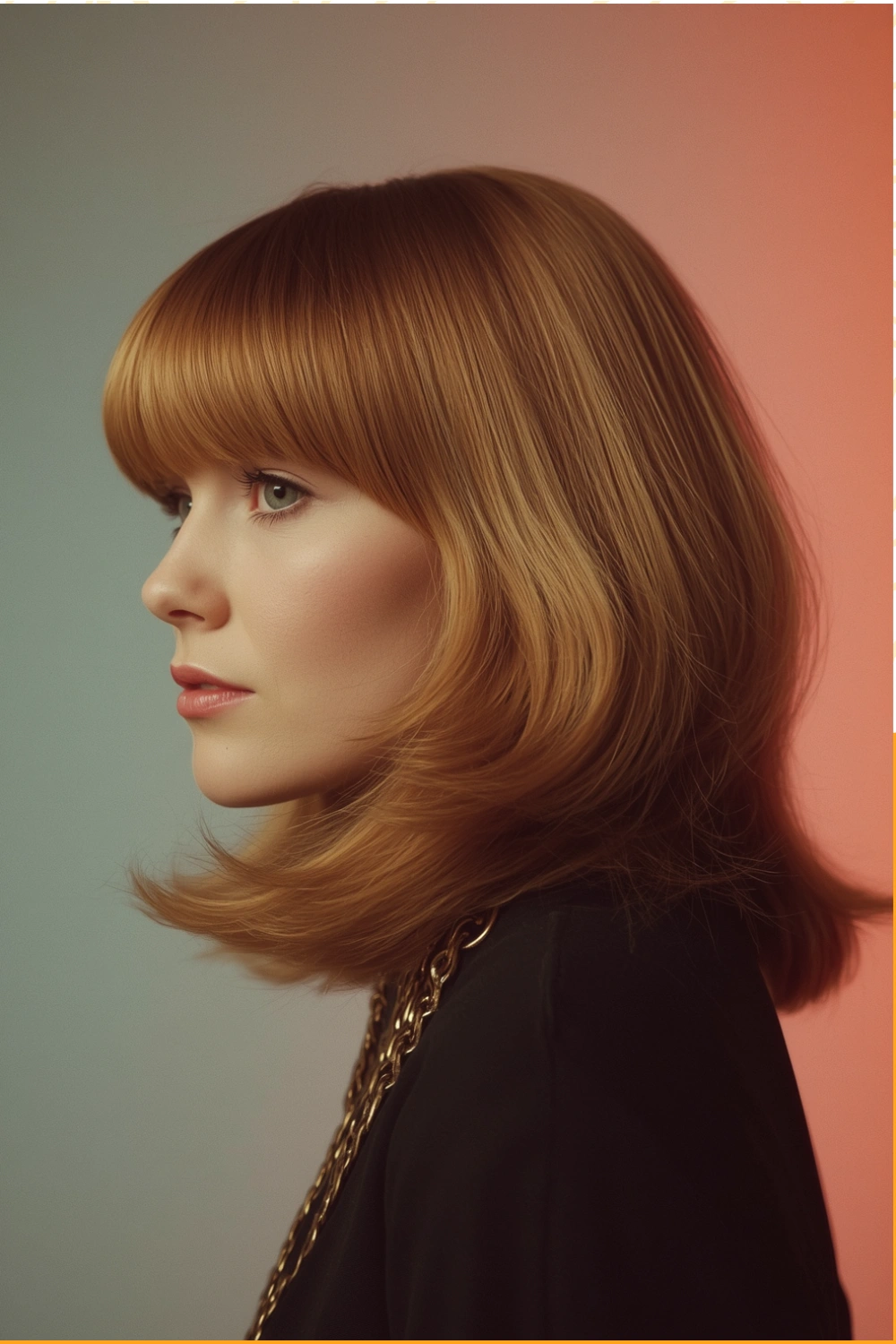
- Classic 70s shag: Heavy, feathered layers, often paired with a full fringe, styled with a round brush for lots of lift — think Jane Fonda or Farrah Fawcett energy.
- Modern shag haircut: Softer, more textured, usually with curtain bangs instead of a blunt fringe, styled to look slightly undone rather than blown out.
- Shag mullet / wolf cut: A shorter, edgier hybrid that blends shag layering with mullet-style shortness at the crown.
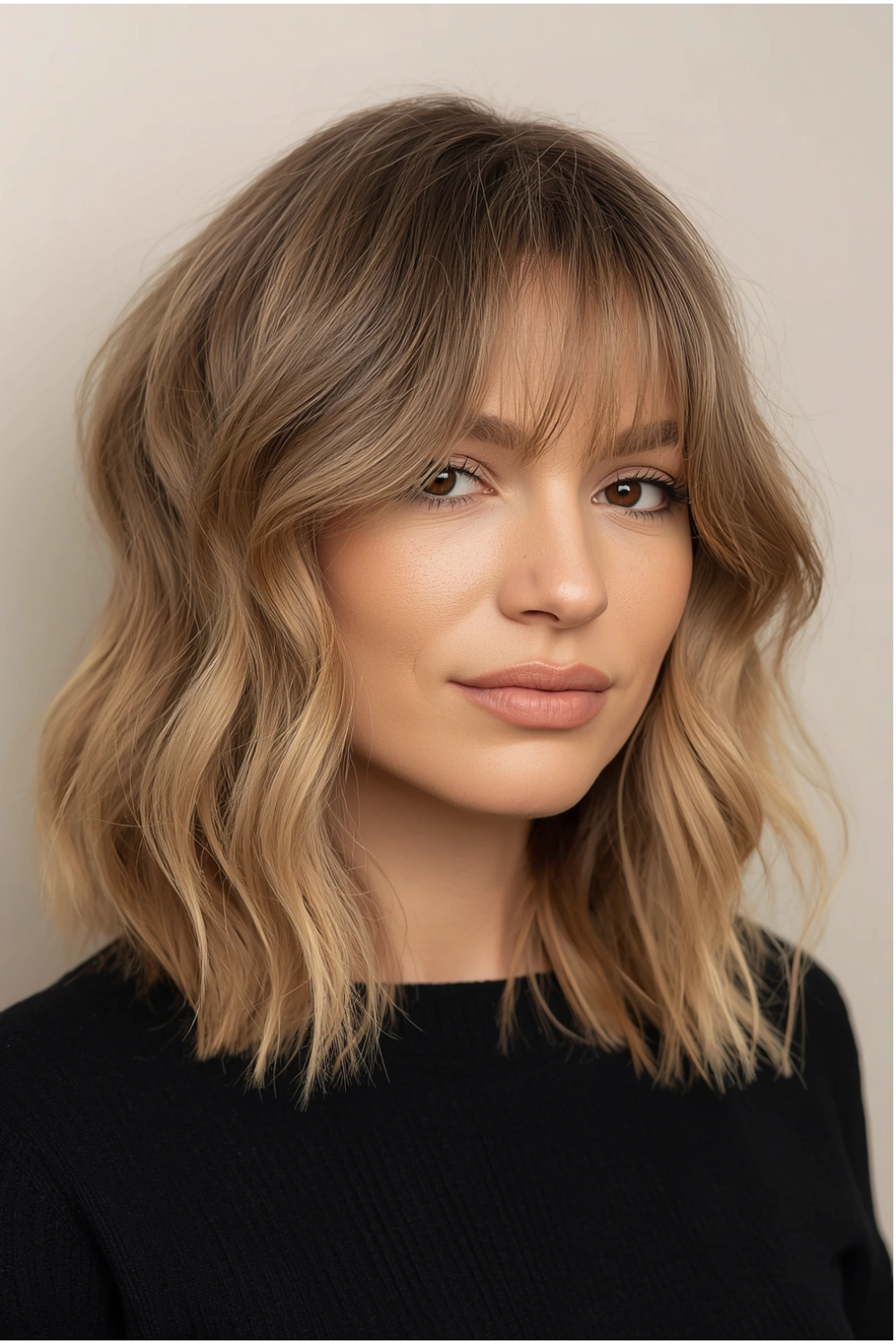
If you’re not sure which one to save to your board, start with the modern shag — it’s the most versatile and the easiest to grow out gracefully.
Shag Haircuts by Length
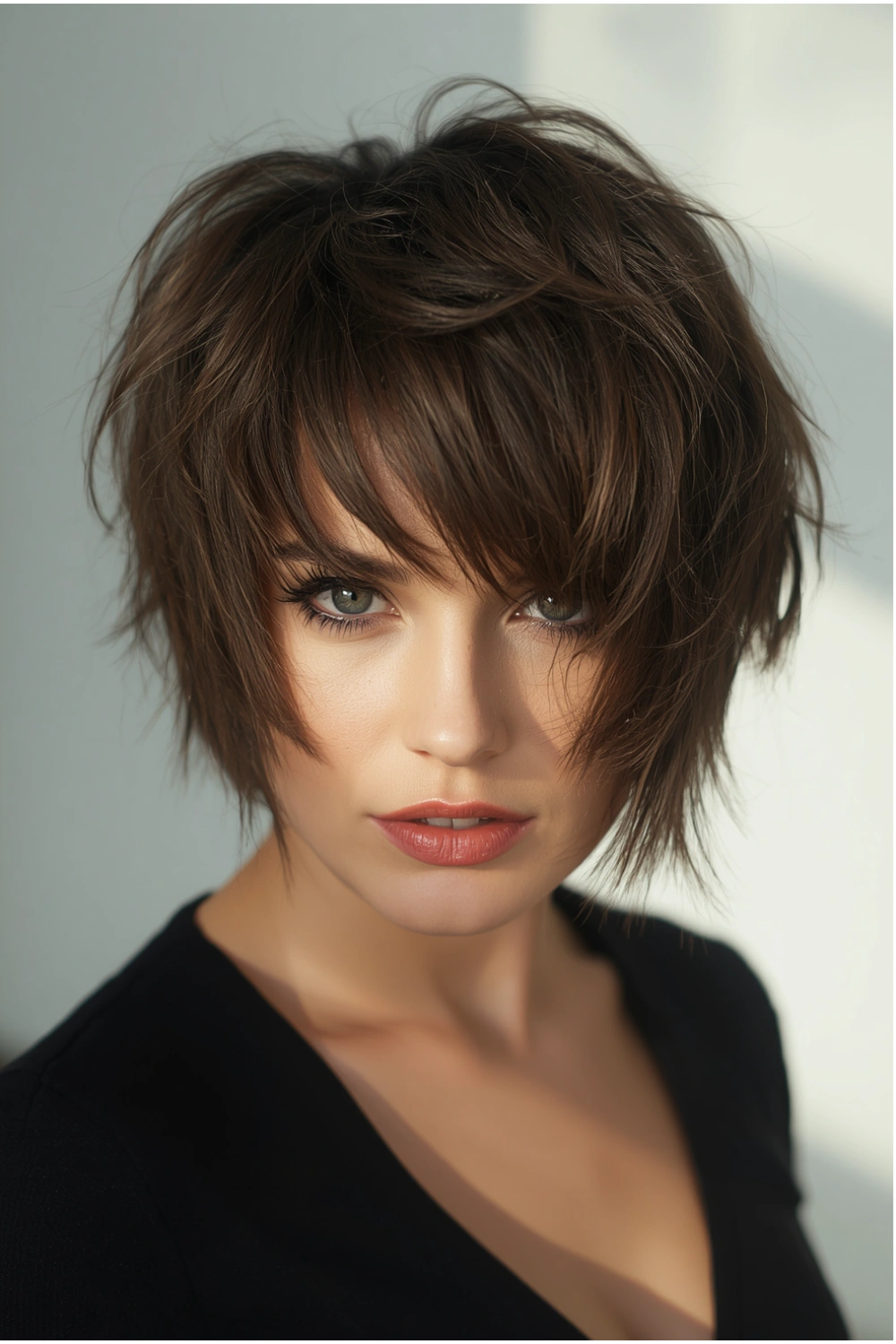
Short Shag Haircut
Chin-to-jaw length, heavily layered, often paired with bangs. This is the boldest option and works beautifully on straight or wavy hair that holds texture well.
Medium Length Shag
The most popular length on Pinterest right now. It hits somewhere between the collarbone and shoulders, giving you enough length to still tie it back on bad hair days while keeping all that shaggy movement.
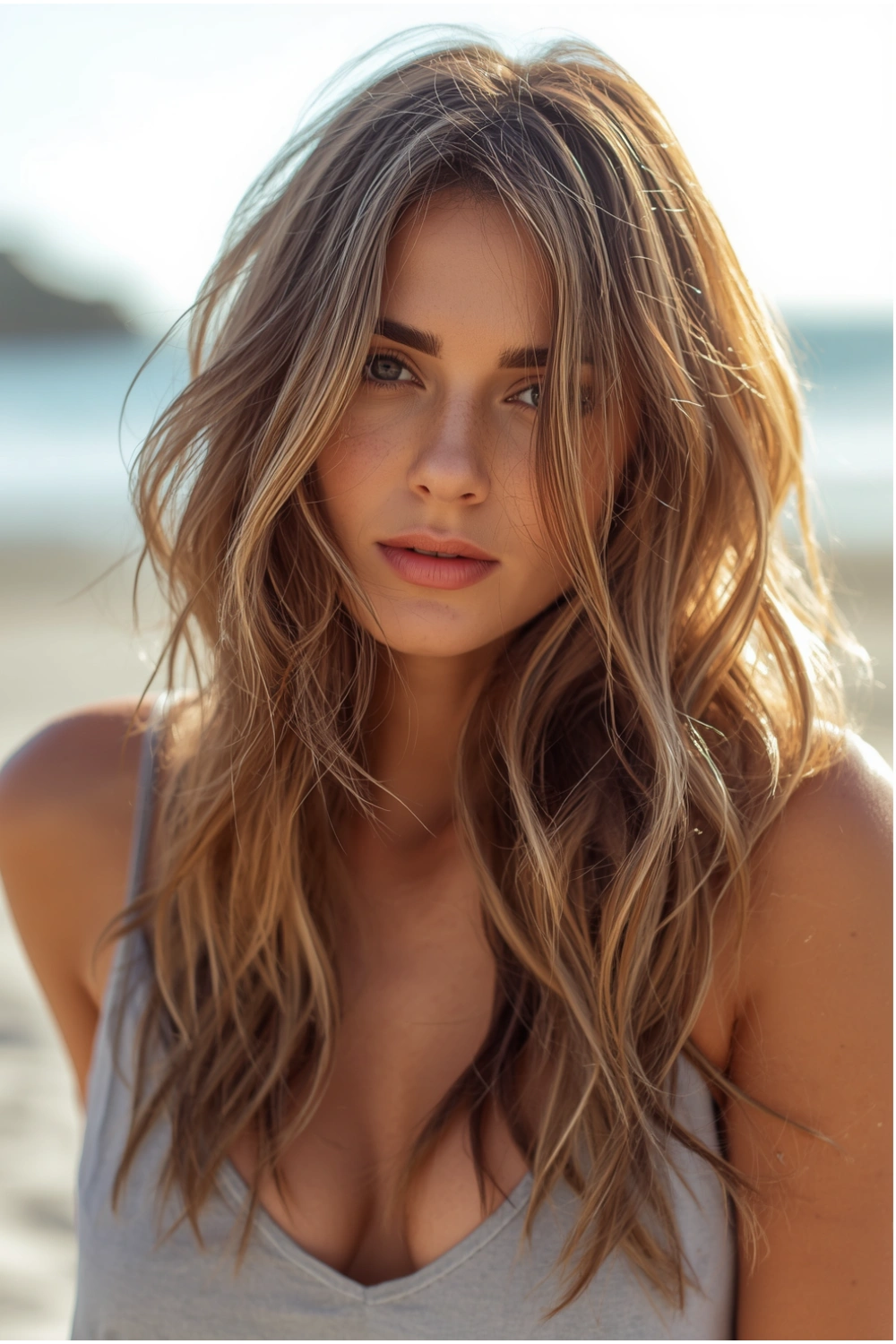
Long Shag Haircut
Layers start higher up, often right at the crown, and cascade all the way down. This version reads more “beachy” and pairs especially well with balayage or face-framing highlights.
Shag Haircuts by Face Shape
This is the number one hesitation people have before booking — “will this actually suit me?” Here’s a quick breakdown:
- Round face: Longer layers concentrated at the chin and below elongate the face. Avoid heavy volume right at the cheeks.
- Square face: Soft, wispy curtain bangs and rounded layers help soften strong jawlines.
- Oval face: Good news — almost any shag variation works. This face shape has the most flexibility.
- Heart-shaped face: Longer layers around the jaw balance a narrower chin; side-swept bangs work better than a full fringe.
- Long face: Fuller bangs and layers that add width at cheekbone level help shorten the appearance of the face.
Shag Haircuts by Hair Type
- Fine hair: A shag is genuinely one of the best cuts for fine hair — the layering creates the illusion of thickness. Keep layers shorter and more frequent for maximum volume.
- Thick hair: Heavier, more dramatic layering removes bulk and prevents the “triangle” shape thick hair can fall into.
- Wavy hair: Waves and shags are a match made in heaven — the texture does half the styling work for you.
- Curly hair: Ask your stylist for a curl-by-curl or dry cut so the layers fall correctly with your natural curl pattern.
How to Style a Shag Haircut
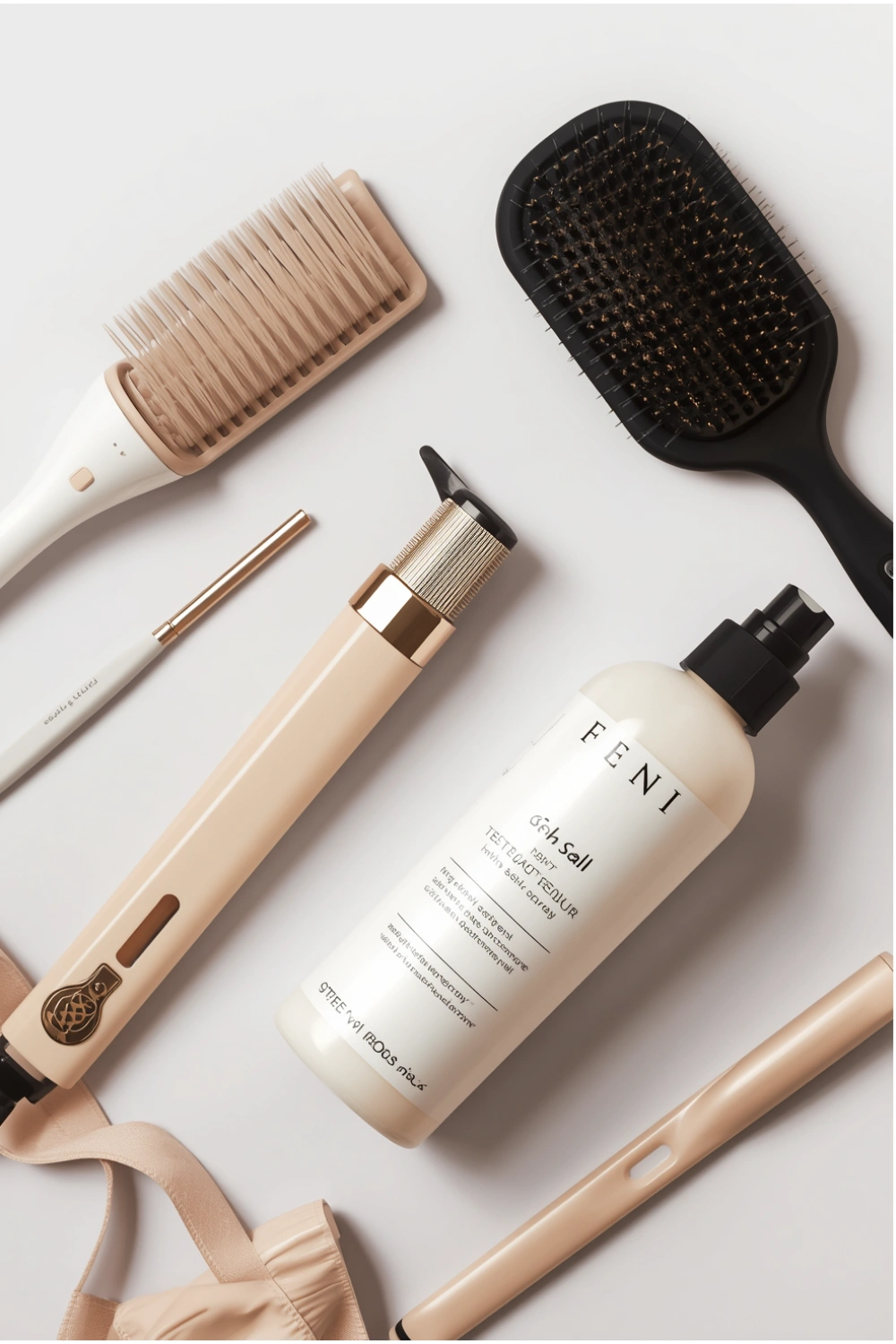
- Apply a volumizing mousse to damp hair before blow-drying
- Use a round brush at the roots for lift, then let the ends air-dry for texture
- Finish with a texturizing spray or sea salt spray to enhance the “undone” look
- For curly or wavy hair, scrunch in a curl cream and let it air-dry — no heat needed
- Use a small amount of pomade or texture paste on dry hair to define pieces without weighing it down
Shag Haircut Maintenance: What to Expect
- Plan on a trim every 8–10 weeks to keep the layers from growing out flat
- The grow-out phase is genuinely low-drama compared to a bob or blunt cut, since the layers are designed to blend as they lengthen
- Regular deep conditioning helps prevent the ends from looking scraggly rather than intentionally textured — a good hair care routine makes a real difference in how long your layers hold shape and shine
- If you’re pairing your shag with bangs, budget for a quick trim every 3–4 weeks between full cuts — see our curtain bangs guide for styling tips
Shag Haircut vs. Wolf Cut: What’s the Real Difference?
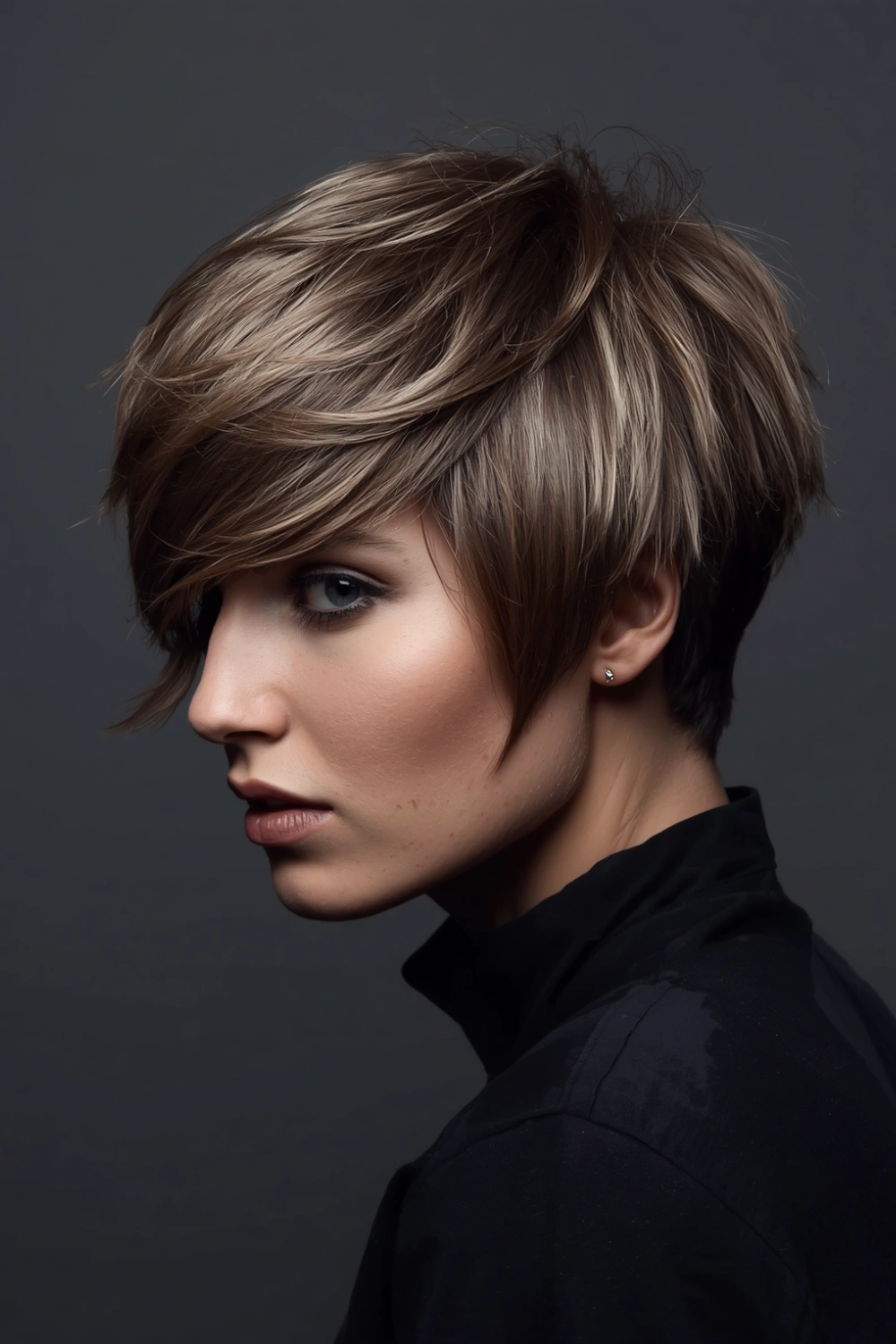
These two get grouped together constantly on Pinterest, but they’re not identical. A wolf cut is essentially a shag with more aggressive shortness at the crown and a mullet-inspired silhouette. If you want something edgier and don’t mind a bolder statement, search “wolf cut” specifically. If you want something more universally flattering and easier to dress up or down, stick with a classic or modern shag.
How to Talk to Your Stylist About a Shag
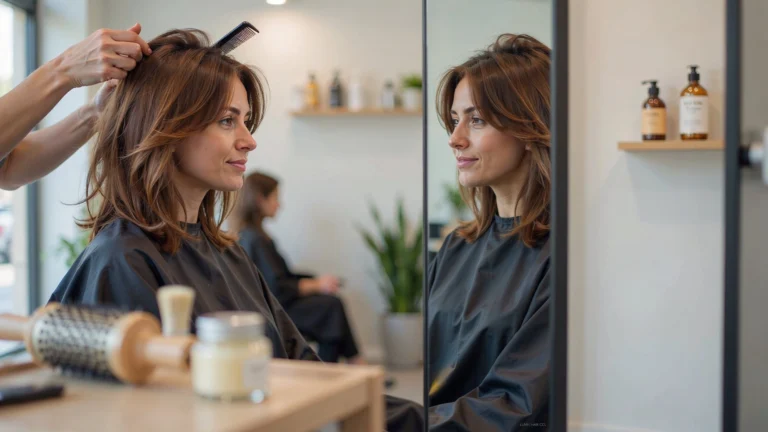
Bring more than one reference photo — stylists read texture, length, and layering differently across images, and multiple pins help them understand exactly what you’re picturing. Be specific about:
- How much volume you want at the crown
- Whether you want bangs, and what kind
- Your current hair type and how much natural texture you have
- How much maintenance you’re realistically willing to commit to
Final Thoughts
A shag haircut is one of the most forgiving, flattering, and low-maintenance styles you can choose — which is exactly why it keeps trending decade after decade. Whether you go short and choppy or long and layered, the key is communicating clearly with your stylist and choosing the variation that actually fits your face shape and hair type, not just the version that looks best on Pinterest.
Save this for your next salon visit
Pin it now so it’s ready when you book your appointment.
📌 Save to Pinterest