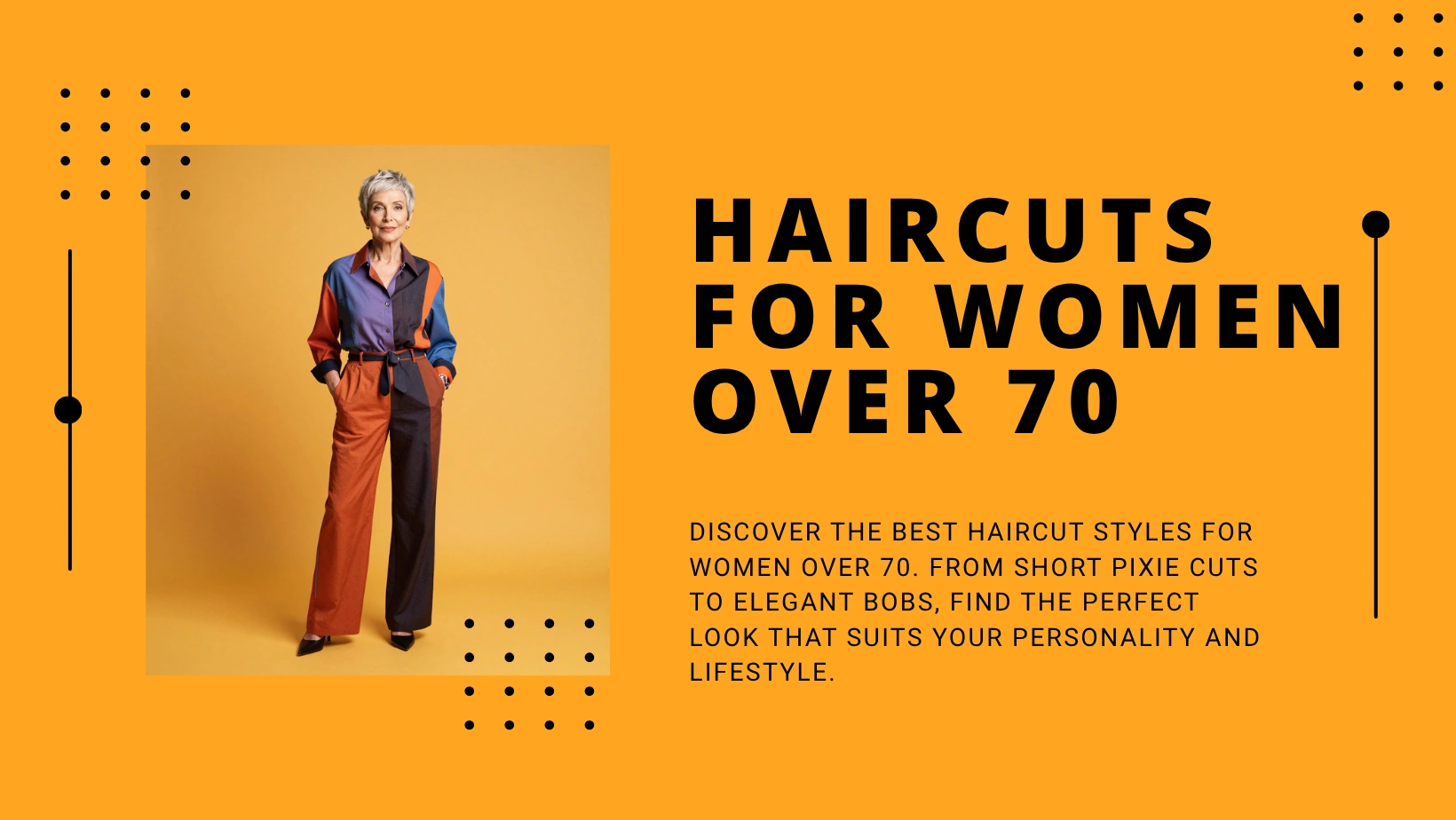
Haircuts for Women Over 70 – Flattering, Low-Maintenance Styles You’ll Love
Finding the right haircut after 70 isn’t about “acting your age.” It’s about finding a style that fits the life you’re actually living. Maybe that means less time at the mirror in the morning. Maybe it means finally embracing that gorgeous silver or white hair. Or maybe you just want a cut that makes you feel like you again, only better.
Whatever brought you here, you’re in the right place. Below is a full roundup of the most flattering, easiest-to-maintain haircuts for women over 70, organized by hair type, face shape, and lifestyle, so you can find the one that’s actually right for you (not just what looks good on a stranger in a magazine).
Why Haircuts Change (and Should Change) After 70
Hair naturally becomes finer, thinner, and sometimes drier as we age, and it often grows in with a different texture than it had decades ago. That’s not a flaw to fight. It’s information your stylist can use. The best haircuts for women over 70 work with these changes instead of against them, adding movement, softness, and lift exactly where it’s needed.
Short Haircuts for Women Over 70
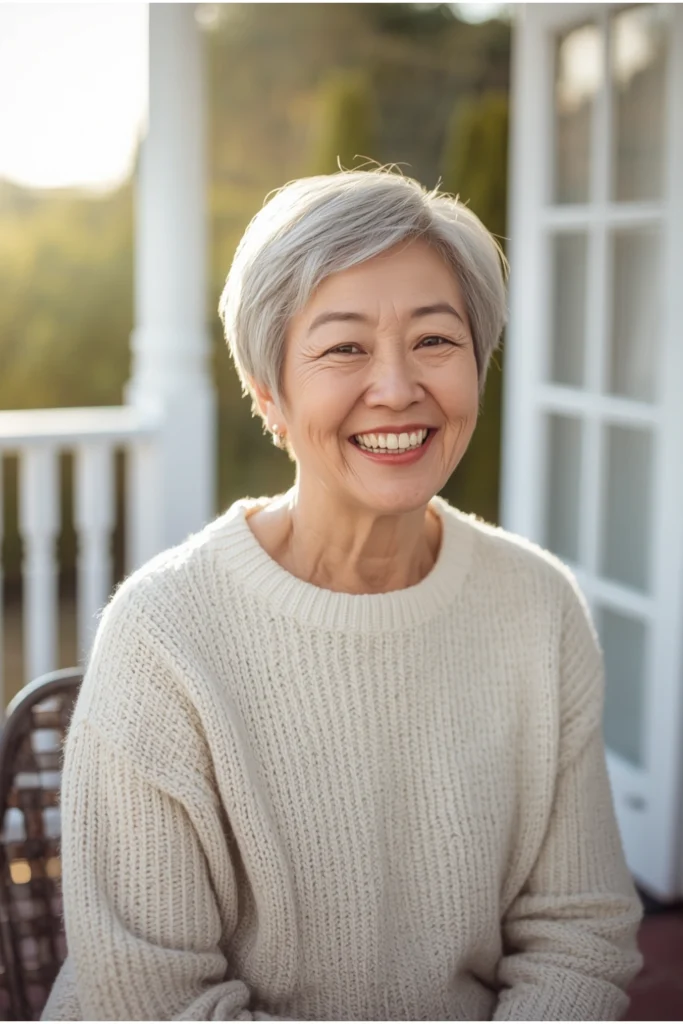
Short styles are popular in this age group for good reason: they’re breezy, require less product, and often add the appearance of volume and lift.
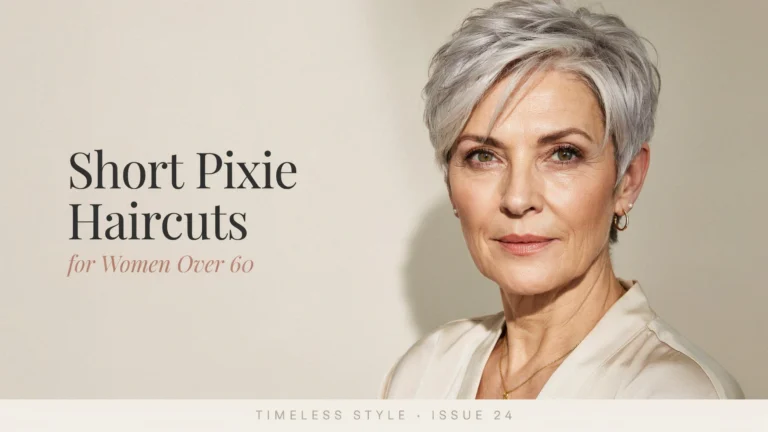
The Classic Pixie
- Adds instant lift at the crown, which counters flatness from thinning hair
- Requires minimal daily styling, often just fingers and a bit of texturizing paste
- Softens beautifully with slightly longer pieces around the face
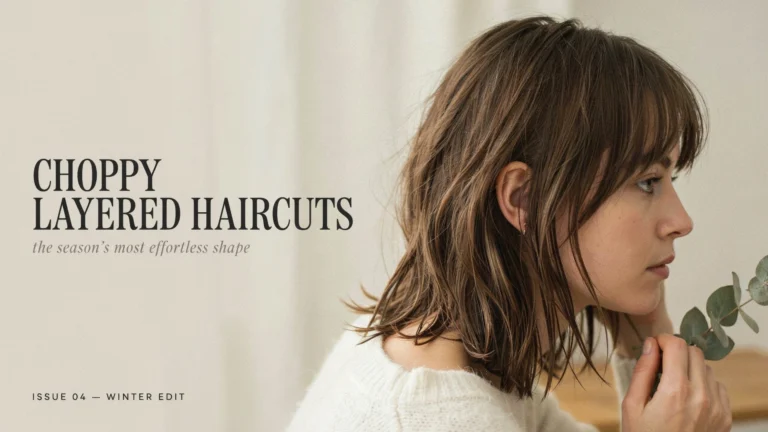
The Textured Crop
- A bit longer than a pixie, with choppy layers for movement
- Great for women who want short hair but not a “buzzed” look
- Pairs well with side-swept bangs to soften the forehead
The Pixie-Bob (Longer Pixie)
- A great in-between option if you’re nervous about going very short
- Longer top layers give you styling flexibility (sleek or tousled)
Bob Haircuts for Women Over 70
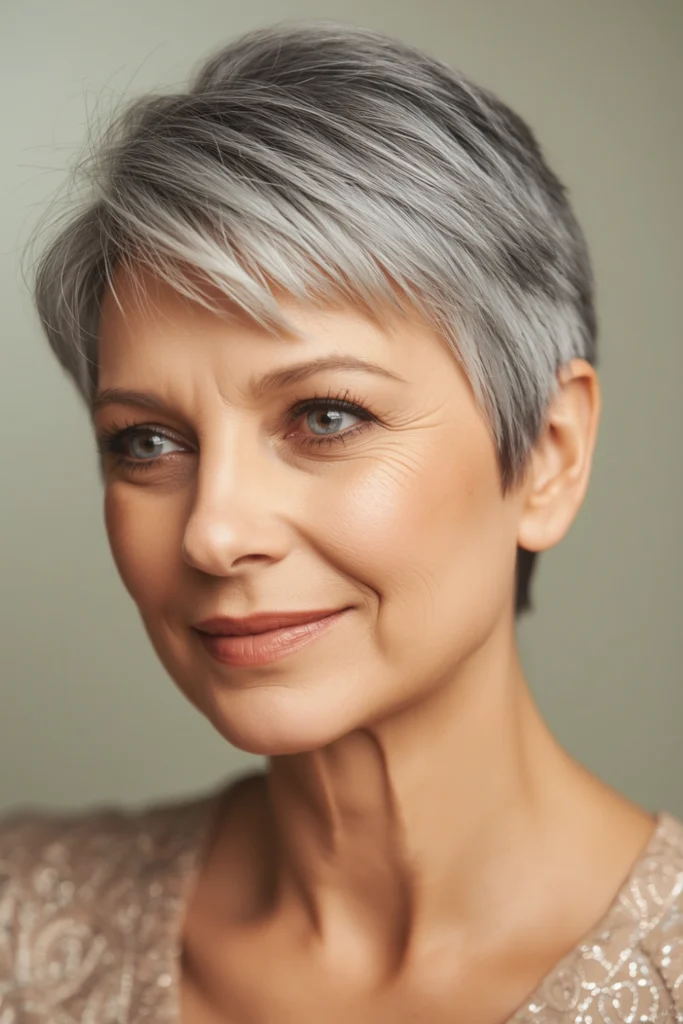
Bobs haircuts remain one of the most requested cuts at any age, and for great reason: they’re endlessly adaptable.
Classic Chin-Length Bob
- Skims the jawline to draw the eye up and create a lifted, youthful frame
- Works beautifully with a side part for extra volume
Angled/Stacked Bob
- Slightly longer in front, shorter in back
- Adds visible fullness at the crown, which is especially flattering for fine hair
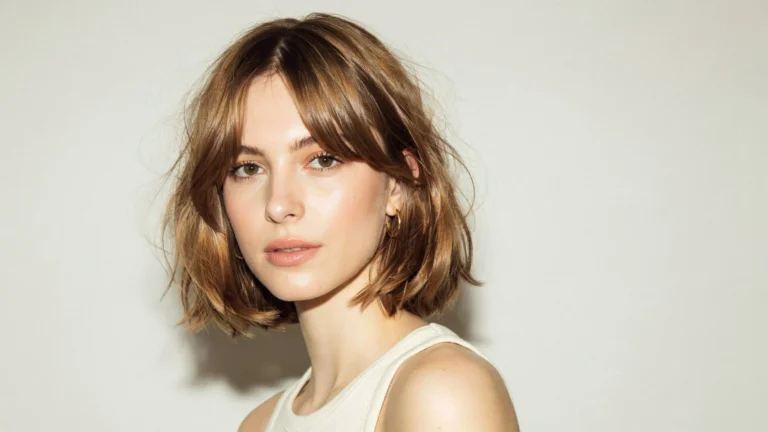
Soft, Textured Bob
- Uses layers to add movement rather than sharp, blunt lines
- A gentler alternative for those who find classic blunt bobs too severe
Shoulder-Length Layered Cuts
If you’re not ready to go short, layered mid-length styles are a wonderful middle ground.
- Long layers with face-framing pieces: Softens the jawline and adds movement without daily blow-drying
- Shag-inspired layers: Adds texture and body throughout, especially good for fine or flat hair
- Curtain-bangs + layers combo: Opens up the face and works with most face shapes
Best Haircuts for Thinning or Fine Hair
Thinning hair is one of the most common concerns in this search, so it deserves its own category.
- Blunt cuts (rather than heavy layering) actually create the illusion of thickness; too many layers can make fine hair look wispy
- Chin-length or shorter cuts carry visual weight better than long hair, which tends to pull thin strands flat
- A soft, rounded pixie adds the most noticeable volume at the crown
- Ask your stylist about a weight line (a technique that keeps ends looking dense rather than see-through)
Haircuts That Flatter Gray and White Hair
Gray and white hair has a different texture and reflects light differently than pigmented hair, which means the right cut can make it look luminous rather than dull.
- Shorter, textured cuts tend to show off gray hair’s natural shine and movement best
- Avoid overly blunt, heavy styles, which can look flat against silver or white hair
- A few soft layers near the face add brightness right where you want it: near your eyes and smile
Low-Maintenance, Wash-and-Go Styles

If mornings are precious and you’d rather spend them with coffee than a curling iron, these are for you:
- Pixie cuts: dry in minutes, style with fingers
- Textured bobs: air-dry beautifully with a little texturizing spray
- Curly or wavy cuts left natural: work with your texture instead of fighting it with heat tools
- Ask your stylist for a cut specifically designed to air-dry well; this changes how the layers are placed
Choosing a Haircut for Your Face Shape
- Round face: Cuts with height at the crown and length past the chin help elongate
- Square face: Soft, rounded layers and side-swept bangs soften strong angles
- Oval face: Almost any style works. Lucky you! Bobs and pixies both shine here
- Long face: Fuller, chin-length styles with soft bangs help balance proportions
Special-Occasion Styling Ideas
A great everyday cut should still have room to dress up:
- Add a soft curl with a small barrel curling iron for weddings or reunions
- Use a decorative comb or clip to add polish to a pixie or bob
- A bit of shine serum on gray or white hair gives an elegant, “done” look in seconds
How to Talk to Your Stylist
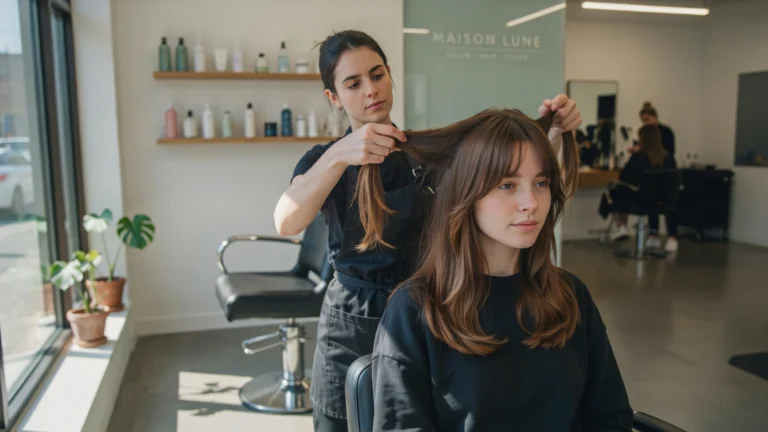
Bring a photo (yes, pinning this article helps!) and be specific:
- Mention how much time you want to spend styling daily
- Be honest about your hair’s thickness and texture
- Ask directly: “What will help this look fuller?” if volume is a concern
- Request a trim schedule: shorter cuts typically need refreshing every 6–8 weeks to keep their shape
The best haircut for women over 70 isn’t about following a trend. It’s about choosing a style that fits your hair’s texture, your daily routine, and the way you want to feel when you look in the mirror. Whether that’s a breezy pixie, a soft layered bob, or a low-maintenance wash-and-go style, there’s a version of these cuts that will make you feel like the best version of yourself.
Save this to your board so you have it ready for your next salon visit, and don’t forget to pin your favorite style to show your stylist!