The Butterfly Bob Haircut Is the Only Style You Need This Season
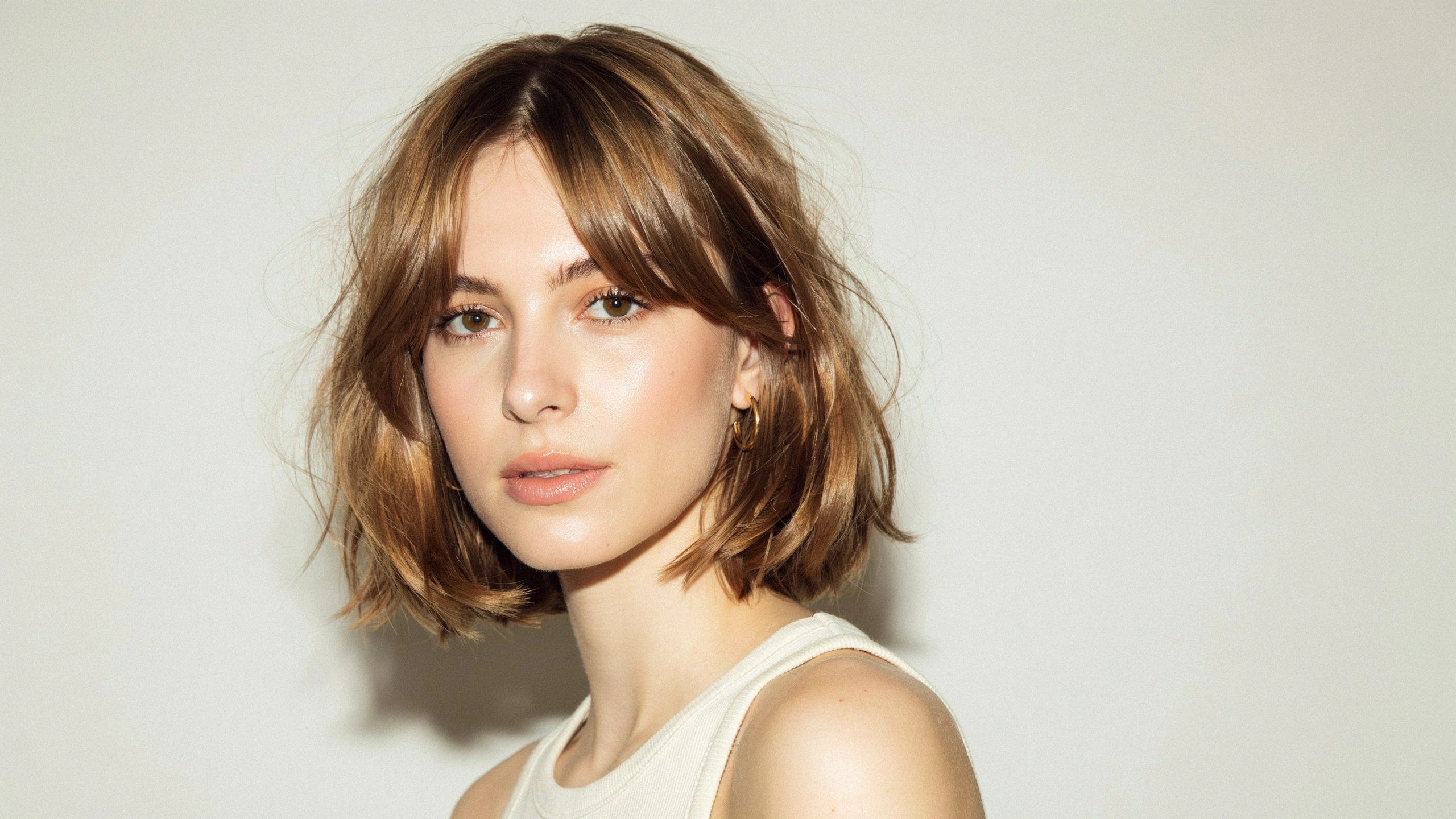
There is a specific kind of haircut that makes you look in the mirror and feel like you finally got it right. The butterfly bob haircut is doing that for a lot of women right now, and it is not hard to understand why once you actually see it on someone. It has this effortless, airy quality, like the hair was styled beautifully but not fussed over. The layers move. The ends float. It looks expensive without being precious.
But before you book an appointment based on a Pinterest board alone, there are real things to know about this cut. What it actually looks like on different textures, which face shapes it suits best, how much morning effort it realistically demands. That is what this is about.
What Actually Makes a Butterfly Bob Different from a Regular Bob
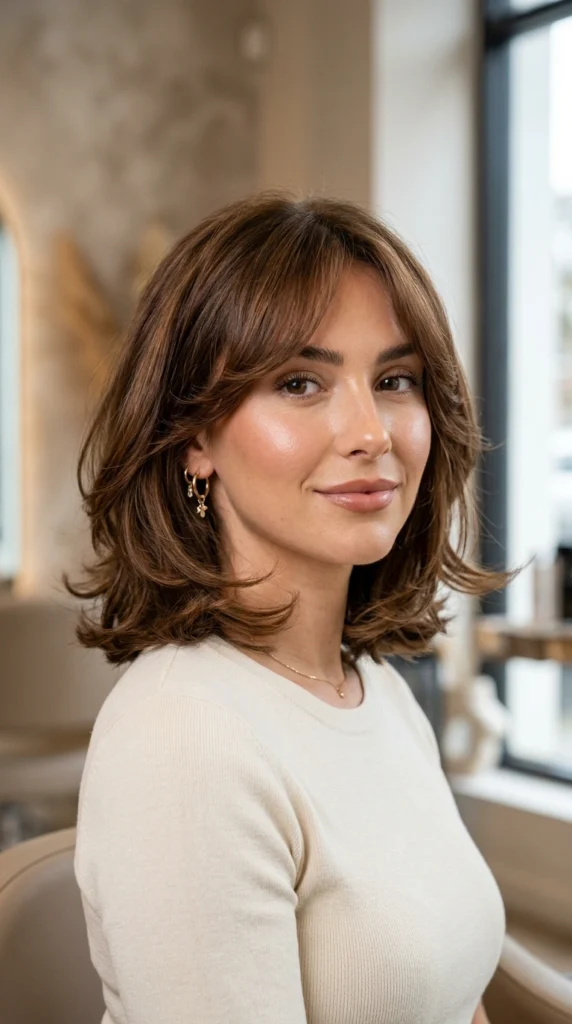
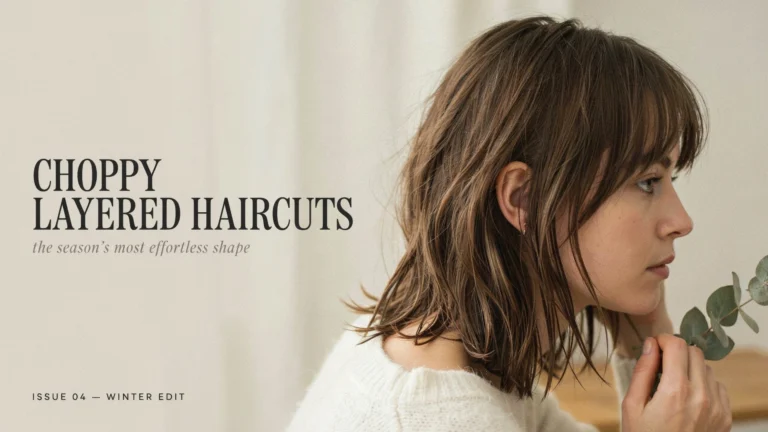
The name comes from the shape. When you flip sections of a butterfly bob outward and pin the top layers back, the result resembles butterfly wings, two soft flipped out sections framing the face on either side. But that party trick is not the whole story. The cut itself is defined by heavy interior layering that removes bulk from the mid lengths while keeping the perimeter fuller and longer.
Think of it as the love child of a classic bob and a shag. You get the structure and the defined line of a bob, but with movement and texture running through it that a blunt cut could never give you. The layers are cut in a way that encourages natural volume at the root and softness at the ends. It sits typically between the chin and the collarbone, which lands it right in that sweet spot where it is genuinely versatile.
What separates it from a wolf cut or a standard layered bob is the intentionality of the shape. A wolf cut can read a little undone and free form. A butterfly bob is still a bob. There is polish underneath all that texture.
The Face Shapes That Genuinely Love This Cut
Stylists tend to say every cut works on every face shape with the right adjustments, and that is somewhat true. But some cuts have a natural affinity for certain features, and the butterfly bob has a very clear soft spot for oval and heart shaped faces.
On an oval face, the layers do what layers are supposed to do: add dimension without competing with already balanced proportions. The face framing pieces fall in a way that feels intentional, not accidental.
For heart shaped faces, the slightly fuller perimeter of the cut adds the visual weight below the cheekbones that the shape genuinely benefits from. The flipped out ends, if you style it that way, widen the lower half of the face in the most flattering possible way.
If you have a rounder or square face, it is not a hard no, but you will want to talk to your stylist about keeping the layers longer so the cut has more vertical movement. The danger with rounder faces is a bob that gets too short and wide at the same time, which can read as a bit heavy. Ask for longer face framing pieces and avoid adding a lot of volume at the sides.
Long faces actually fare beautifully with a butterfly bob, especially when the layers are cut to fall around the cheekbones and give the face more horizontal softness.
What Your Hair Texture Does With This Cut
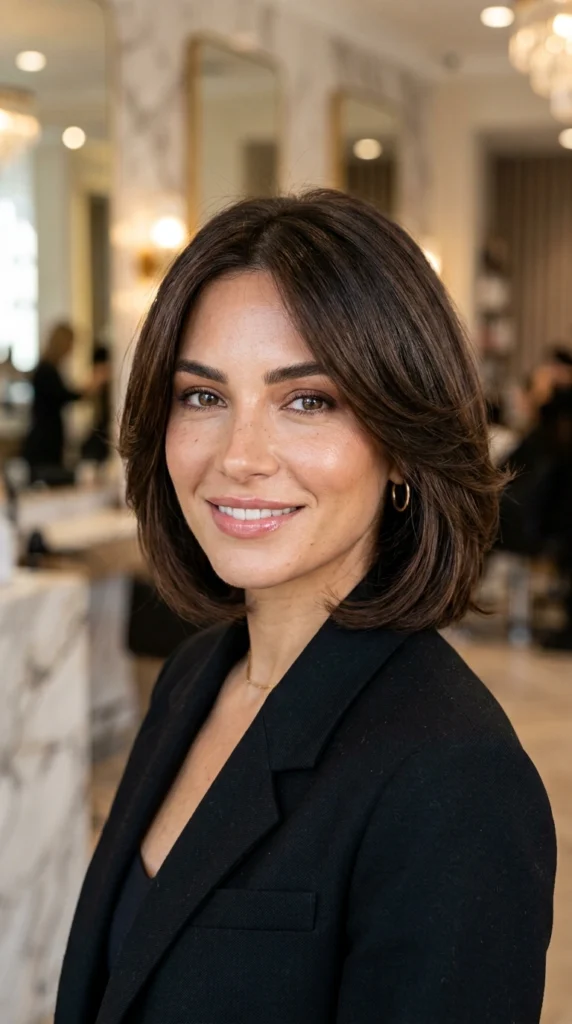
Here is where it gets interesting, and where a lot of before and after photos can be a little misleading.
The butterfly bob was essentially designed for straight to wavy hair. The flipped-out styling that gives the cut its signature look comes most easily on those textures, because you can wrap the ends around a round brush or a large barrel iron and the shape holds reasonably well. On straight fine hair especially, the internal layering adds the kind of bounce and movement that fine hair often struggles to find on its own.
Wavy hair is probably the texture that gets the most out of this cut. The natural wave pattern plays beautifully with the layering. You can let it air dry and the cut just works, the layers encouraging the wave to move in a way that reads as styled even when you have done almost nothing.
Curly hair is a more nuanced conversation. The butterfly bob can absolutely be done on curly hair, but the word bob means something different once shrinkage is factored in. A length that hits your collarbone when wet might sit several inches shorter once it dries. Your stylist needs to cut this with your texture in mind from the very beginning, not just try to translate a straight hair version of the cut. When done right on curly hair, the layers can actually enhance the curl pattern and reduce the triangle shape that unlayered curly bobs sometimes create. When done wrong, you end up with something that looks more like a round ball of hair than a cut with intention.
Coily hair can work with the spirit of the butterfly bob, but it will look quite different from the Pinterest version you saved. The emphasis should be on shaping and layering for movement rather than replicating a specific look that was photographed on different hair.
The Morning Reality of Maintaining a Butterfly Bob
Let us be honest about this part, because it is the part that the beautiful photography glosses over.
This cut does require some morning engagement. Not a lot, but some. Air drying a butterfly bob on straight to wavy hair tends to produce a result that needs at least a little help. Without any styling, the layers can look a little flat or just slightly undefined. You are not talking about a full blowout every day, but even a diffuser run through the lengths or a few passes with a large barrel iron on the ends makes a significant difference.
The good news is that the butterfly bob rewards low effort styling more than a blunt bob does. A blunt bob with a bad hair day looks like a blunt bob with a bad hair day. This cut, with all its movement and texture, absorbs a little roughness and still reads as intentional. There is forgiveness built into the shape.
Where the maintenance becomes a real consideration is the grow out period. Because the cut relies on layering for its shape, growing it out without regular trims can get a little awkward. The layers at different stages of length can start to look choppy or disconnected rather than intentional. If you are someone who goes four or five months between haircuts, you might find the butterfly bob loses its charm around month three. Booking trims every six to eight weeks is genuinely worth it with this cut.
Color, if you have it, tends to look spectacular in a butterfly bob because the layers catch light differently throughout the day. Balayage especially, where the color is placed with movement in mind, photographs beautifully in this shape. If you have been considering adding dimension to your color, this is a cut that will reward that decision.
How to Actually Style It at Home

The classic butterfly bob look, that winged, slightly flipped out shape, is easier to achieve than it looks. You do not need a professional blowout every day. The technique that most women find works well is to rough dry the hair about eighty percent of the way, then take a round brush and work section by section from the ends, rolling outward to create that slight flip. A light hold mousse applied to damp hair before drying helps the texture without stiffening it.
If heat styling is not your thing in the morning, you can also work with the natural texture of your hair and just scrunch a small amount of a lightweight cream through the ends to define the layers. The look will be softer and more undone than the editorial version, but on wavy and curly textures especially, it can be even more beautiful than the styled version.
For special occasions or when you want that full butterfly effect, a medium to large barrel curling iron, something in the one to one and a quarter inch range, wrapped around the ends and flipped outward gives you the shape that made the cut famous. Pin those sections up for a few minutes while they cool and you will get a hold that lasts most of the day.
Asking Your Stylist for This Cut Without Getting a Generic Bob
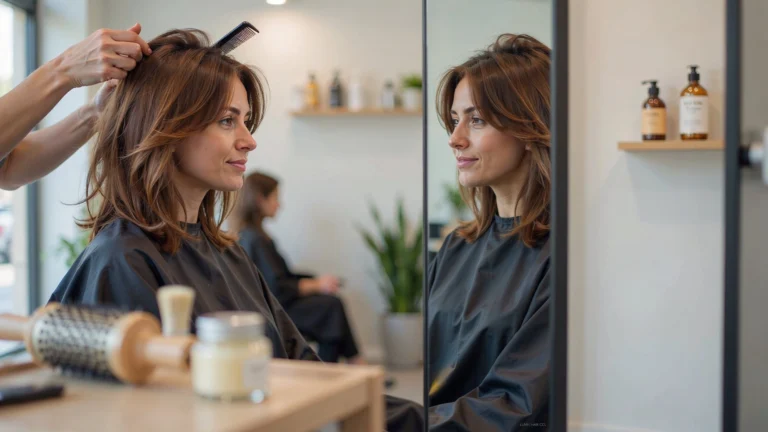
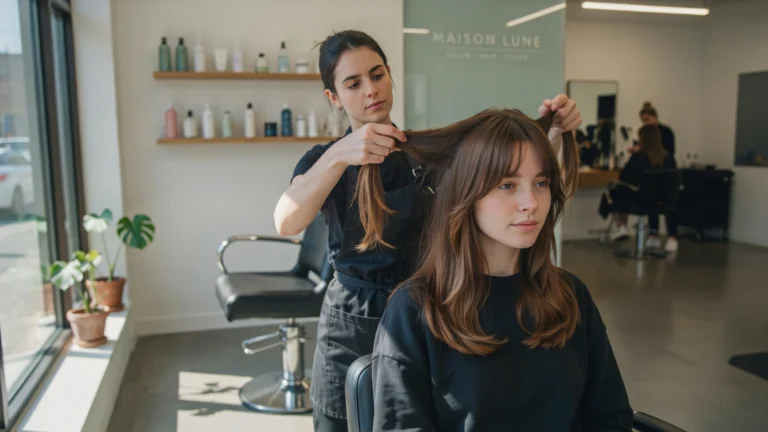
This matters more than people realize. The words butterfly bob are common enough now that most stylists will know what you mean, but bringing photos is still the clearest communication tool you have. Look for photos on people who share your hair texture and face shape. A picture of the cut on very fine straight hair will not tell your stylist much if your hair is thick and wavy.
When you sit in the chair, the most useful things to communicate are the length you want at the perimeter, whether you want heavy or subtle layering, and how much time you are willing to spend styling in the morning. That last point sounds minor but it genuinely informs how your stylist will cut the layers. Someone who air dries most days needs a slightly different version of this cut than someone who blowdries every morning.
Also mention your face shape concerns if you have them. A good stylist will already be thinking about face framing pieces, but hearing from you directly that you want to soften a square jaw or add width to a narrow face helps them calibrate.
What Season and Lifestyle Make This Cut Feel Right
The butterfly bob has a slightly seasonal personality. In summer, worn tousled and air dried, it has this easy beach quality that does not feel like it is trying at all. In autumn and winter, blown out and polished with the ends curled neatly, it reads more finished and intentional. It transitions beautifully between those modes, which is one of the more practical things about it.
From a lifestyle standpoint, it suits women who want to look put together without a high maintenance routine. If you have a job that requires you to look professional but you are not someone who spends forty five minutes on hair in the morning, this cut can bridge that gap. It is also genuinely good for active women because the layering takes away bulk and the length keeps it out of your face when you need it to.