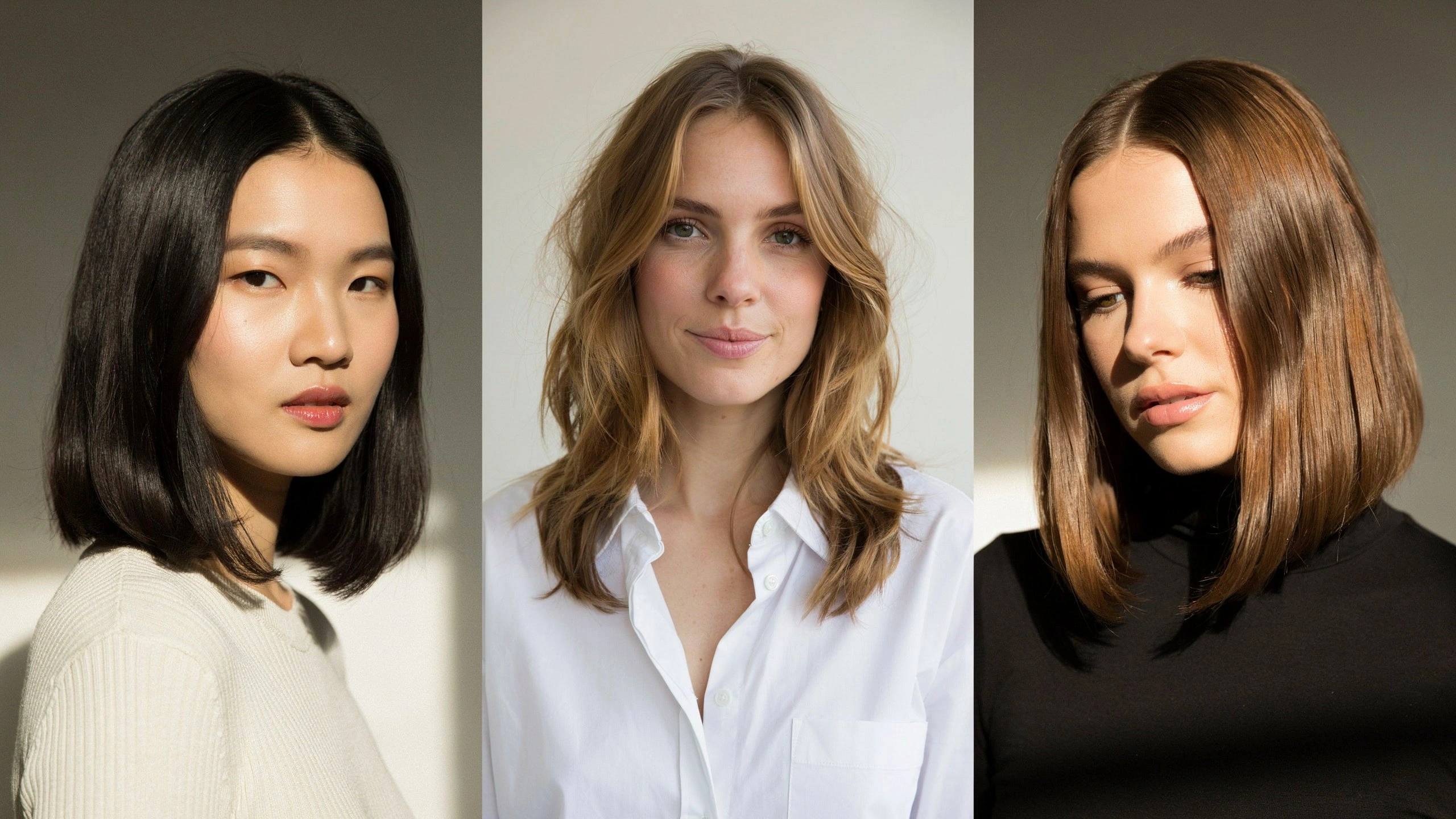
Long Bob Hairstyles The Cut That Always Seems to Know What You Need
There is a reason your stylist has probably suggested a long bob at least once in the last few years. It is not trend chasing. It is not because every influencer happened to get one at the same time. It is because long bob hairstyles genuinely work on an almost unfair range of women, and once you have had one, you understand why people keep coming back to it.
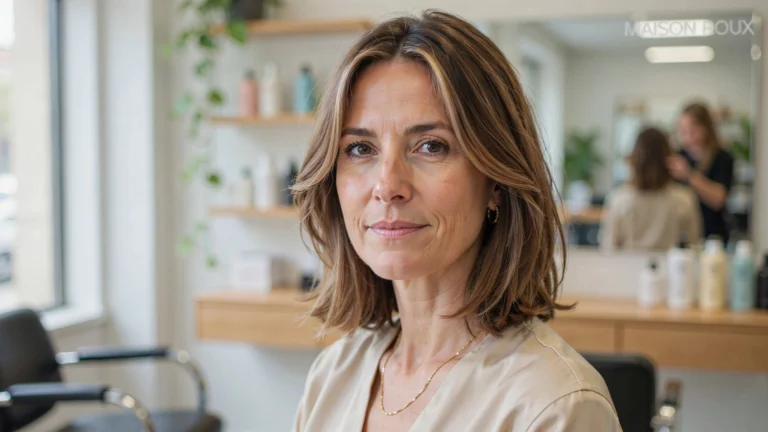
The lob, as most of us call it, sits somewhere between collarbone and shoulder. That specific length is doing a lot of quiet work. It is long enough to pull back on a bad day, short enough to feel intentional when it is down, and forgiving enough that you can grow it out without a painful in between phase. If you have been sitting with the idea of cutting your hair but cannot commit to anything dramatic, this might be the answer you have been circling.
Why This Length Flatters More Women Than Almost Any Other

Face shape rules in hair are often oversimplified to the point of uselessness. You will read that ovals can do anything, rounds should avoid blunt cuts, and squares need softness. All of that is loosely true, but it misses something more important: proportion matters more than shape.
Long bob hairstyles work because they end at a neutral zone on the body. The collarbone to shoulder range does not draw attention to the jaw the way a chin length cut does, and it does not pull the eye down past the bust the way very long hair sometimes can. It sits right at the transition between neck and shoulder, which is naturally a slimming, lengthening spot on most body types.
For women with rounder faces, a lob with a slight wave or loose texture adds movement that breaks up any perceived width. You are not fighting your face shape; you are just giving the eye something else to follow. For women with stronger jawlines or wider foreheads, the same cut softened with face framing layers can balance things out without erasing any of the structure that makes a face interesting. The women who struggle most with this cut tend to have very fine, very straight hair and skip the styling entirely. We will get to that.
The Difference Between a Lob That Looks Expensive and One That Just Looks Shorter
Not all long bob hairstyles are created equal, and this is where a lot of women feel let down. They go in, ask for a lob, come out with a blunt, flat cut that sits wrong on their shoulders and makes their hair look thinner than it actually is. The cut itself is not the problem. It is the absence of detail.
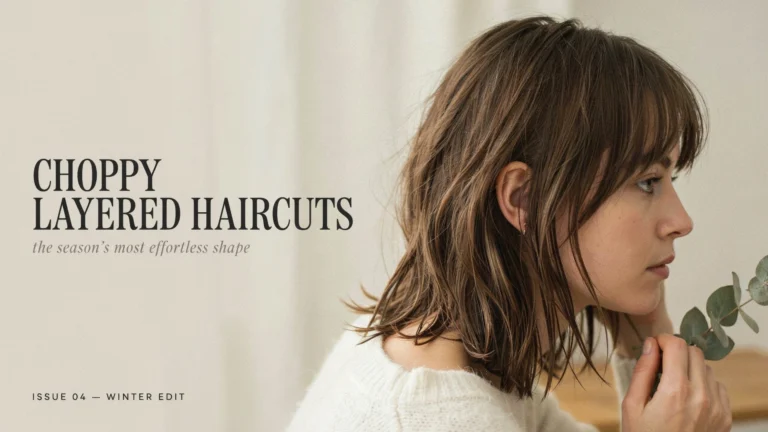
The cuts that photograph beautifully and hold their shape between appointments almost always have a few things in common. First, the ends are texturized rather than blunt-cut straight across. A blunt lob can look sharp and editorial on very thick hair, but on medium or fine hair, it often creates a heavy curtain effect with no life at the ends. Second, there is usually some interior layering, nothing dramatic, just enough to remove bulk and encourage natural movement. Third, and this one is underrated, the cut is shaped slightly longer in the front than the back. Even a centimeter of difference creates that slight angle that makes the cut look styled when it is air dried.
Ask your stylist for a disconnected or graduated lob rather than a one length cut. Show them a photo. Always show a photo. Words like textured and effortless mean something different in every stylist’s vocabulary, but a picture removes the guesswork.
How to Actually Style It Without Spending an Hour on It
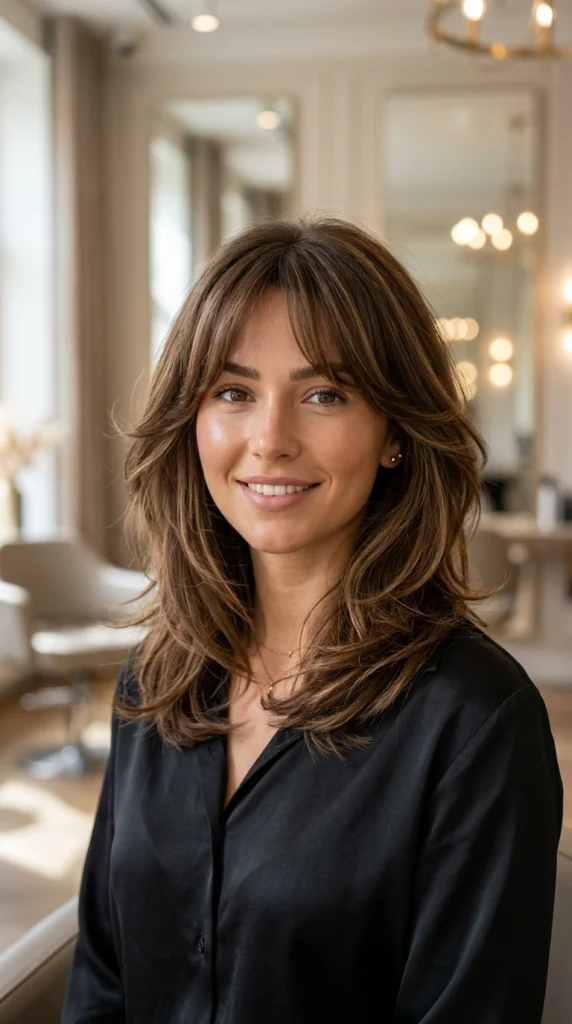
The appeal of long bob hairstyles, for most women, is the promise of less effort. But there is a gap between what the cut can theoretically do and what it does when you just let it air dry and walk out the door. Bridging that gap usually comes down to one or two styling habits, not a full routine.
For straight or fine hair, the best investment you can make is a lightweight texturizing spray applied to damp hair before you let it dry. Something like Ouai wave spray or living proof No frizz instant stylergives the hair something to hold onto as it dries, so instead of lying flat against your head, it sits with a little body. If you want actual waves rather than just volume, twist two inch sections while the spray is still wet and let them dry before releasing. No heat required.
For thicker or naturally wavy hair, the lob almost styles itself, but it needs a little help with frizz at the ends. A small amount of smoothing cream or oil on the last two inches of dry hair keeps things looking intentional rather than overgrown. The difference between a polished lob and a growing out look is usually just that one finishing step.
Curly haired women often avoid the lob because they worry about shrinkage making it too short. This is a legitimate concern, and it depends entirely on your curl pattern. If your curls are loose to medium, a lob cut on dry hair by a curl specialist can be stunning. Tighter curl patterns may find that a slightly longer cut, what appears to be a mid back length when dry, hits collarbone length once the curls spring up. Know your shrinkage percentage before you commit.
What Changes When You Color a Lob
This is where the cut gets genuinely exciting, because long bob hairstyles are arguably the best canvas for color work being done right now. The length is short enough that you can see the full color story from root to end, and long enough that techniques like balayage and money pieces have room to develop properly.
A classic balayage on a lob looks different than it does on longer hair. The color transitions are compressed, which means the contrast is more visible and the overall effect reads as bolder even when the tones are soft. Warm caramels and honey blondes on a brown base look especially rich at this length. If you want something more subtle, a tonal balayage in shades just two or three levels lighter than your natural color gives you dimension without anything that needs a lot of upkeep at the roots.
Face framing pieces, sometimes called curtain highlights or money pieces, work particularly well on a lob because they draw attention to exactly the right area. Two or three lighter pieces pulled forward from the front sections of your cut brighten the face without touching the rest of the hair. For women in their forties and fifties who are navigating the shift to gray, this technique is especially useful. It blends incoming gray into a highlight pattern rather than fighting it, and it reads as deliberate rather than transitional.
One honest note on maintenance: shorter hair shows regrowth faster than longer lengths. A lob with any kind of color work, especially anything lighter than your natural base, will need a touch up roughly every eight to twelve weeks. That is not a dealbreaker, but it is worth factoring into the real cost of the look.
The Lob Across Seasons and Life Stages

One thing that makes long bob hairstyles genuinely useful rather than just fashionable is how adaptable they are to what is actually happening in your life. In summer, the length is short enough to stay off your neck in heat, and it dries fast after the pool or beach. In winter, it tucks easily into a coat collar without the messy tangle that longer hair creates. It is the rare cut that does not feel like a liability in any season.
For women returning to work after time at home, or going through any kind of change that makes them want their appearance to feel intentional again, the lob has a particular appeal. It is a real change from long hair but not an irreversible leap. It grows out gracefully, which removes a lot of the anxiety around committing to it.
Women in their fifties and sixties sometimes hesitate because of the idea that shorter hair ages you, a notion that mostly comes from the fact that a lot of unflattering haircuts happen to also be short ones. A well cut lob with some movement is nothing like a shapeless crop. The length preserves femininity while the reduced bulk actually tends to make hair look healthier and thicker, especially for women whose hair has changed in texture or density over the years.
The lob is not magic. It will not fix a bad hair day or hide the fact that you need a color refresh. But it is honest in a way that works in your favor. What you see is what you get, and what you get, with a little attention, is consistently good.